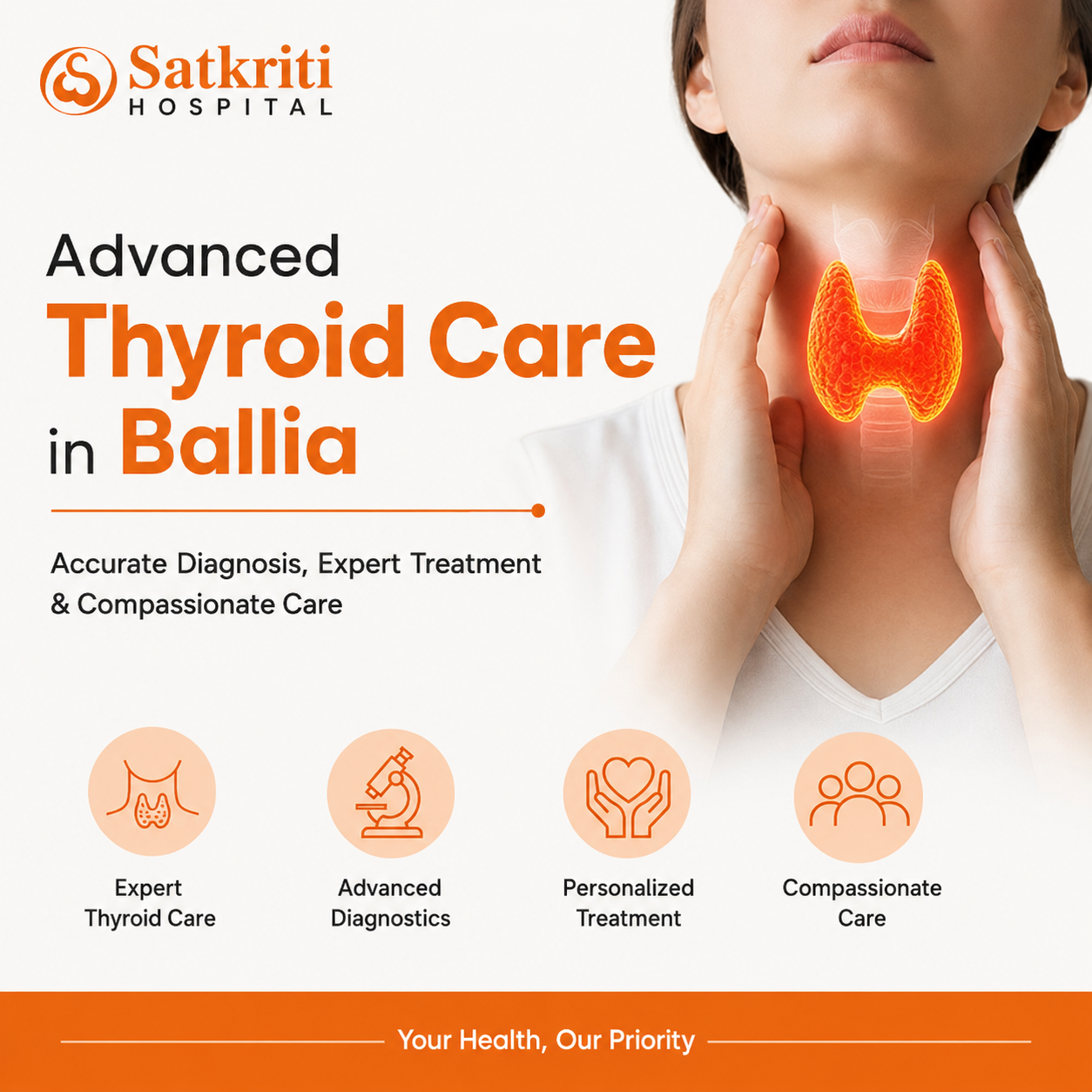
Thyroid disorders are among the most common hormonal conditions affecting millions of people worldwide, including a significant number of people in India. If you are searching for the best thyroid hospital in Ballia, understanding thyroid diseases, their symptoms, diagnosis, treatment options, and preventive measures is essential.
A thyroid hospital provides specialized care for patients suffering from disorders of the thyroid gland. These conditions range from simple hormone imbalances to thyroid nodules, goiter, and thyroid cancer. Early diagnosis and timely treatment can prevent serious complications and help patients live healthy lives.
This comprehensive guide explains everything you need to know about thyroid diseases and how a specialized thyroid hospital in Ballia can help.
What is the Thyroid Gland?
The thyroid is a small butterfly-shaped gland located at the front of the neck, just below the Adam’s apple. Although small, it plays a vital role in regulating several body functions.
The thyroid produces two essential hormones:
- T3 (Triiodothyronine)
- T4 (Thyroxine)
These hormones control:
- Metabolism
- Body temperature
- Heart rate
- Energy production
- Weight regulation
- Brain development
- Digestion
- Muscle function
- Fertility
The pituitary gland regulates thyroid hormone production by releasing Thyroid Stimulating Hormone (TSH). When this balance is disturbed, thyroid disorders develop.
Common Thyroid Disorders
1. Hypothyroidism
Hypothyroidism occurs when the thyroid gland does not produce enough thyroid hormones.
Common Causes
- Hashimoto’s Thyroiditis
- Iodine deficiency
- Previous thyroid surgery
- Radiation therapy
- Certain medications
- Congenital thyroid disorders
Symptoms
- Constant fatigue
- Weight gain
- Dry skin
- Hair fall
- Depression
- Constipation
- Slow heartbeat
- Puffy face
- Cold intolerance
- Hoarse voice
- Memory problems
- Irregular periods
Hypothyroidism usually develops slowly and may remain unnoticed for years.
2. Hyperthyroidism
Hyperthyroidism occurs when the thyroid gland produces excess thyroid hormones.
Causes
- Graves’ disease
- Thyroid nodules
- Thyroiditis
- Excess iodine intake
Symptoms
- Weight loss
- Increased appetite
- Rapid heartbeat
- Anxiety
- Tremors
- Sweating
- Heat intolerance
- Insomnia
- Frequent bowel movements
- Bulging eyes (in Graves’ disease)
Without treatment, hyperthyroidism may lead to heart problems and bone loss.
3. Goiter
A goiter refers to an enlarged thyroid gland.
It may occur due to:
- Iodine deficiency
- Hyperthyroidism
- Hypothyroidism
- Thyroid nodules
- Autoimmune diseases
Some goiters cause no symptoms, while larger ones can lead to:
- Neck swelling
- Difficulty swallowing
- Breathing problems
- Voice changes
4. Thyroid Nodules
Thyroid nodules are abnormal lumps within the thyroid gland.
Most nodules are benign, but some require evaluation to rule out thyroid cancer.
Symptoms include:
- Neck lump
- Difficulty swallowing
- Hoarseness
- Pressure in the neck
5. Thyroid Cancer
Although relatively uncommon, thyroid cancer is highly treatable when detected early.
Types include:
- Papillary thyroid cancer
- Follicular thyroid cancer
- Medullary thyroid cancer
- Anaplastic thyroid cancer
Warning signs include:
- Persistent neck lump
- Difficulty swallowing
- Voice changes
- Enlarged lymph nodes
Risk Factors for Thyroid Disease
People at higher risk include:
- Women
- Age above 35 years
- Family history
- Pregnancy
- Autoimmune diseases
- Diabetes
- Previous radiation exposure
- Iodine deficiency
Women are significantly more likely to develop thyroid disorders than men.
Symptoms That Should Never Be Ignored
Visit a thyroid specialist if you experience:
- Unexplained weight gain
- Sudden weight loss
- Persistent fatigue
- Hair thinning
- Neck swelling
- Mood changes
- Depression
- Anxiety
- Trembling hands
- Palpitations
- Difficulty swallowing
- Voice changes
- Excessive sleepiness
- Heat or cold intolerance
- Irregular menstrual cycles
Diagnosis at a Thyroid Hospital in Ballia
A specialized thyroid hospital offers comprehensive diagnostic services.
Clinical Examination
Doctors evaluate:
- Neck swelling
- Family history
- Symptoms
- Previous illnesses
- Medication history
Blood Tests
Common tests include:
- TSH
- Free T3
- Free T4
- Thyroid antibodies
- Calcitonin (when needed)
These tests help determine whether the thyroid is overactive or underactive.
Thyroid Ultrasound
Ultrasound helps detect:
- Thyroid nodules
- Cysts
- Enlargement
- Suspicious growths
Fine Needle Aspiration Cytology (FNAC)
If a thyroid nodule appears suspicious, FNAC is performed to determine whether it is cancerous.
Radioactive Iodine Scan
Used mainly in patients with hyperthyroidism to identify overactive thyroid tissue.
CT or MRI
Sometimes recommended for very large goiters or thyroid cancers.
Treatment Options
Treatment depends upon the type of thyroid disorder.
Treatment for Hypothyroidism
The standard treatment is thyroid hormone replacement medication.
Patients generally require:
- Daily medication
- Regular TSH monitoring
- Lifelong follow-up in many cases
Medication should be taken on an empty stomach and consistently as prescribed.
Treatment for Hyperthyroidism
Treatment may include:
- Anti-thyroid medicines
- Beta blockers
- Radioactive iodine therapy
- Surgery
The treatment plan depends on age, severity, and underlying cause.
Treatment for Goiter
Depending on the size and symptoms, treatment may include:
- Observation
- Medication
- Radioactive iodine
- Surgery
Treatment for Thyroid Nodules
Benign nodules may only require observation.
Suspicious or large nodules may require:
- FNAC
- Surgery
- Regular ultrasound monitoring
Thyroid Cancer Treatment
Treatment usually includes:
- Thyroid surgery
- Radioactive iodine therapy
- Hormone replacement
- Long-term follow-up
Early-stage thyroid cancer has an excellent prognosis.
Thyroid Surgery
Some patients require thyroid surgery.
Types include:
Partial Thyroidectomy
Only a portion of the thyroid gland is removed.
Total Thyroidectomy
The entire thyroid gland is removed.
Common reasons include:
- Large goiter
- Thyroid cancer
- Suspicious nodules
- Uncontrolled hyperthyroidism
Modern thyroid surgery is generally safe when performed by experienced surgeons.
Thyroid Care During Pregnancy
Pregnant women should undergo timely thyroid evaluation because untreated thyroid disorders may increase the risk of:
- Miscarriage
- Premature birth
- High blood pressure
- Developmental issues in the baby
Regular thyroid monitoring during pregnancy is recommended.
Lifestyle Tips for Healthy Thyroid Function
Maintain a healthy thyroid by:
- Eating an iodine-rich balanced diet
- Exercising regularly
- Managing stress
- Sleeping 7–8 hours daily
- Taking medications exactly as prescribed
- Avoiding self-medication
- Attending regular follow-up visits
Foods That Support Thyroid Health
Include:
- Iodized salt
- Eggs
- Fish
- Dairy products
- Fruits
- Green vegetables
- Whole grains
- Nuts
- Lean protein
Foods to Consume in Moderation
Certain foods may affect thyroid hormone absorption or function when consumed excessively, especially raw forms:
- Soy products
- Cabbage
- Cauliflower
- Broccoli
- Millet
Cooking these foods generally reduces their impact.
Importance of Regular Follow-Up
Even if symptoms improve, patients should continue scheduled follow-ups to:
- Monitor hormone levels
- Adjust medications
- Detect complications early
- Prevent recurrence
Why Choose a Specialized Thyroid Hospital in Ballia?
A dedicated thyroid hospital offers:
- Experienced physicians and endocrine care
- Comprehensive thyroid evaluation
- Advanced laboratory testing
- Ultrasound and FNAC facilities
- Surgical management when required
- Long-term follow-up
- Patient education and counseling
Access to multidisciplinary care improves diagnosis, treatment planning, and long-term outcomes.
Frequently Asked Questions (FAQs)
Can thyroid disease be cured?
Some thyroid disorders can be managed effectively with medication, while others may require long-term treatment or surgery.
Is thyroid disease hereditary?
Family history increases the risk of several thyroid conditions.
Can thyroid problems cause infertility?
Yes. Untreated thyroid disorders may affect fertility in both men and women.
Is thyroid surgery safe?
Yes. When performed by experienced surgeons, thyroid surgery is generally safe with a high success rate.
Can thyroid disorders affect children?
Yes. Congenital and acquired thyroid disorders can occur in children and should be diagnosed early.
How often should thyroid tests be done?
The frequency depends on the condition, treatment plan, and your doctor’s recommendation.
Conclusion
Thyroid disorders are common but highly manageable with early diagnosis, appropriate treatment, and regular follow-up. Whether it is hypothyroidism, hyperthyroidism, goiter, thyroid nodules, or thyroid cancer, timely evaluation at a thyroid hospital in Ballia can help prevent complications and improve quality of life.
If you experience persistent fatigue, unexplained weight changes, neck swelling, hair loss, or changes in heart rate, consult a qualified healthcare professional for a proper thyroid evaluation. Modern diagnostic tools, personalized treatment plans, and ongoing monitoring enable most patients to lead healthy and productive lives.
