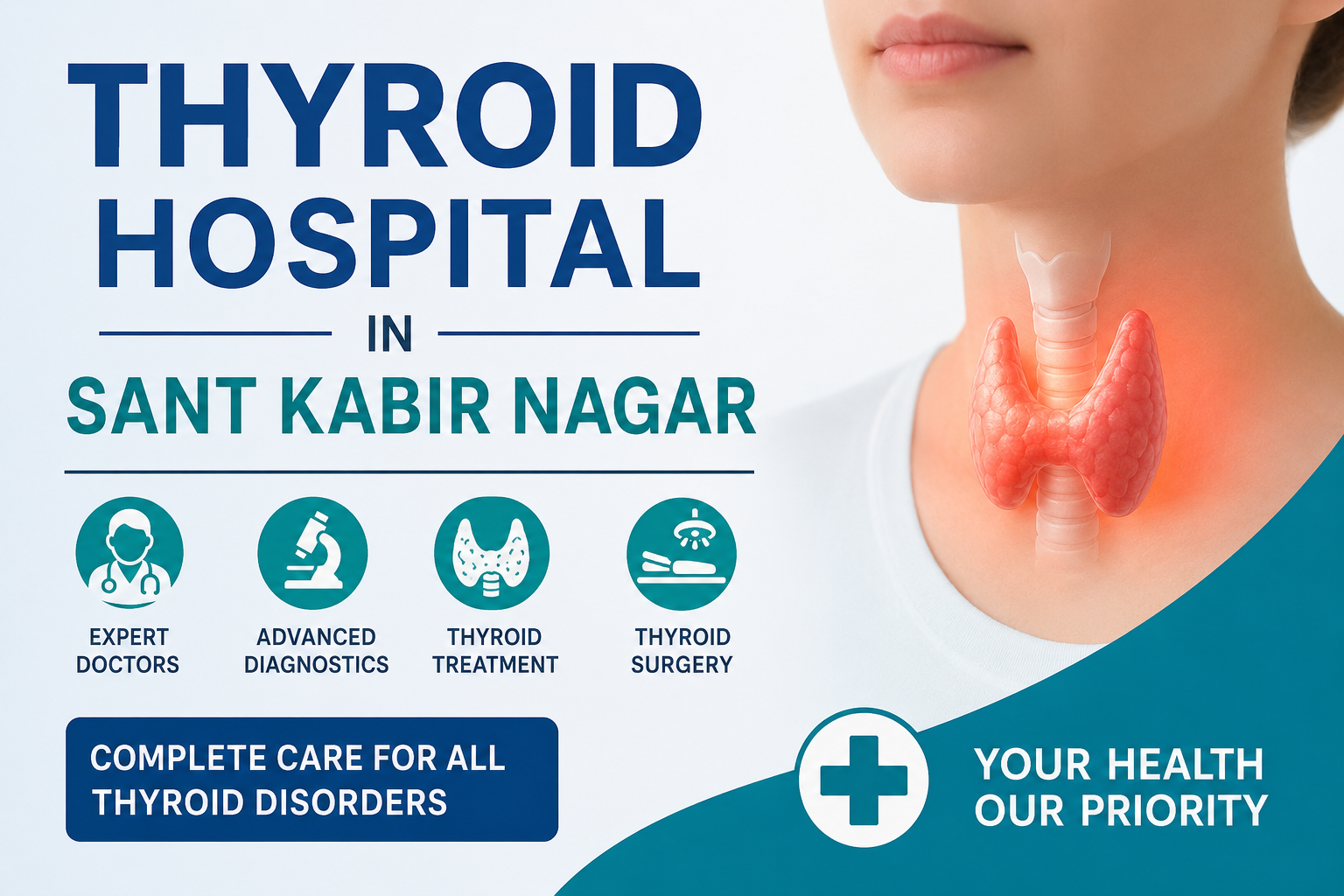
Thyroid problems are becoming increasingly common among people of different age groups. Symptoms such as unexplained weight gain or weight loss, tiredness, hair fall, changes in heartbeat, difficulty concentrating, mood changes, neck swelling and irregular menstrual cycles may sometimes be associated with thyroid disorders. Because these symptoms can also occur with many other health conditions, proper medical evaluation and thyroid testing are important.
For people searching for a thyroid hospital in Sant Kabir Nagar, understanding the available treatment options, diagnostic tests and thyroid-related conditions can help them make informed healthcare decisions. A thyroid-focused healthcare facility can provide evaluation and management for common thyroid disorders as well as conditions involving thyroid nodules, goitre and thyroid swelling.
The thyroid is a small, butterfly-shaped gland located at the front of the neck. Despite its small size, it produces hormones that play an important role in regulating metabolism, energy use and several functions throughout the body. Thyroid disease can occur when the gland produces too little or too much hormone, becomes enlarged, develops nodules or is affected by inflammation or cancer.
What Is the Thyroid Gland?
The thyroid gland is located in the lower front part of the neck. It produces thyroid hormones, mainly thyroxine (T4) and triiodothyronine (T3).
These hormones influence many processes in the body, including:
- Energy production
- Metabolism
- Body temperature
- Heart rate
- Muscle function
- Digestion
- Brain function
- Growth and development
The production of thyroid hormones is regulated through a feedback system involving the hypothalamus, pituitary gland and thyroid gland.
When thyroid hormone production becomes abnormal, a person may develop hypothyroidism or hyperthyroidism. Other thyroid conditions can cause enlargement of the gland or the development of thyroid nodules.
What Is a Thyroid Hospital?
A thyroid hospital or a hospital providing thyroid care is a healthcare facility where patients can receive evaluation and treatment for thyroid-related conditions.
Depending on the patient’s condition, thyroid care may involve ENT specialists, endocrinologists, surgeons, radiologists, pathologists and other healthcare professionals.
A comprehensive thyroid evaluation may include:
- Clinical examination
- Thyroid blood tests
- Ultrasound examination
- Evaluation of thyroid nodules
- Fine-needle aspiration cytology when required
- Medication management
- Follow-up monitoring
- Surgical evaluation
- Thyroid surgery when medically indicated
The exact investigations and treatment depend on the patient’s symptoms, examination findings and test results.
Thyroid Treatment in Sant Kabir Nagar
Patients looking for thyroid treatment in Sant Kabir Nagar may seek medical advice for symptoms such as neck swelling, weight changes, fatigue, excessive sweating, palpitations, hair loss or difficulty swallowing.
Thyroid disorders are not treated in the same way for every patient. Treatment depends on the specific thyroid condition.
For example, hypothyroidism is generally treated with thyroid hormone replacement, while hyperthyroidism may require medicines, radioactive iodine treatment or surgery depending on the underlying cause and clinical situation.
A doctor should determine the appropriate treatment rather than relying on symptoms alone.
Common Thyroid Problems
There are several different conditions that can affect the thyroid gland.
1. Hypothyroidism
Hypothyroidism occurs when the thyroid gland does not produce enough thyroid hormones.
It is one of the most common thyroid disorders.
Common symptoms may include:
- Persistent tiredness
- Weight gain
- Feeling unusually cold
- Constipation
- Dry skin
- Hair loss
- Difficulty concentrating
- Low mood
- Muscle weakness
- Hoarse voice
- Menstrual changes
Symptoms can develop gradually and may not always be obvious in the early stages.
Diagnosis generally involves blood tests, particularly thyroid-stimulating hormone (TSH) and thyroid hormone measurements such as T4.
Treatment of Hypothyroidism
Treatment commonly involves thyroid hormone replacement with levothyroxine.
The dose is individualized according to factors such as the patient’s thyroid hormone levels, age, medical condition and response to treatment.
Regular monitoring is important because the required dose may change over time.
Patients should not change or stop thyroid medication without medical advice.
2. Hyperthyroidism
Hyperthyroidism occurs when the thyroid gland produces excessive thyroid hormones.
Possible symptoms include:
- Unexplained weight loss
- Increased sweating
- Feeling unusually hot
- Fast or irregular heartbeat
- Anxiety or nervousness
- Tremors
- Difficulty sleeping
- Increased bowel movements
- Muscle weakness
- Increased appetite
- Menstrual changes
A thyroid function blood test is generally used to assess hormone levels. Tests may include TSH, T3 and T4. A low TSH together with elevated T3 and/or T4 can indicate hyperthyroidism, although interpretation depends on the individual clinical situation.
Treatment of Hyperthyroidism
Treatment depends on the cause and severity of the condition.
Possible treatments include:
- Anti-thyroid medicines
- Radioactive iodine therapy
- Surgery
- Medicines to control certain symptoms
Not every patient requires surgery. A specialist can recommend the most appropriate approach after evaluation.
3. Goitre
A goitre is an enlargement of the thyroid gland.
A goitre may occur with normal thyroid hormone production, hypothyroidism or hyperthyroidism.
Some goitres are visible as swelling in the front of the neck. Others may be detected during a clinical examination or imaging test.
A large goitre can sometimes cause pressure-related symptoms such as:
- Difficulty swallowing
- Difficulty breathing
- Feeling of pressure in the neck
- Voice changes
- Visible neck swelling
The cause of the enlargement needs to be identified before deciding on treatment.
4. Thyroid Nodules
A thyroid nodule is a lump or abnormal area within the thyroid gland.
Thyroid nodules are relatively common, and many are benign. However, some nodules may require further investigation to determine whether they are suspicious.
Evaluation may involve:
- Physical examination
- Thyroid blood tests
- Ultrasound
- Fine-needle aspiration biopsy when indicated
The decision to perform a biopsy depends on clinical and ultrasound findings.
Patients should seek medical evaluation if they notice a new lump or swelling in the neck.
5. Thyroiditis
Thyroiditis refers to inflammation of the thyroid gland.
Different types of thyroiditis can occur, and the symptoms can vary depending on the cause and stage of inflammation.
Some patients may initially experience symptoms associated with excess thyroid hormones and later develop symptoms of low thyroid hormone levels.
Treatment depends on the underlying cause and symptoms.
6. Thyroid Cancer
Thyroid cancer develops when abnormal cells in the thyroid grow uncontrollably.
A thyroid lump does not automatically mean cancer. However, certain nodules or neck swellings require detailed assessment.
Possible warning signs can include:
- A persistent neck lump
- Increasing neck swelling
- Difficulty swallowing
- Difficulty breathing
- Persistent hoarseness
- Enlarged neck lymph nodes
A doctor may recommend ultrasound, laboratory tests, needle biopsy and other investigations depending on the findings.
Early assessment of suspicious thyroid nodules can help doctors determine the appropriate treatment pathway.
Symptoms That May Indicate a Thyroid Problem
Thyroid symptoms can vary considerably.
Some people may experience several symptoms, while others may have very few noticeable symptoms.
Important symptoms to discuss with a doctor include:
Changes in Weight
Unexplained weight gain may occur with hypothyroidism, while unexplained weight loss can occur with hyperthyroidism.
However, weight changes have many possible causes and should not automatically be attributed to thyroid disease.
Fatigue
Persistent tiredness can occur in hypothyroidism but may also result from anaemia, sleep problems, nutritional deficiencies and other conditions.
Hair Loss
Changes in thyroid hormone levels may contribute to hair thinning or hair loss.
Heartbeat Changes
Hyperthyroidism can cause a rapid or irregular heartbeat. Patients experiencing significant or persistent palpitations should seek medical evaluation.
Neck Swelling
A swelling or lump in the front of the neck can be associated with goitre, thyroid nodules or other thyroid conditions.
Voice Changes
Persistent hoarseness, particularly when accompanied by a neck lump, should be evaluated by a healthcare professional.
Difficulty Swallowing
A large thyroid swelling or another neck mass can sometimes cause difficulty swallowing.
How Is Thyroid Disease Diagnosed?
Correct diagnosis is important because symptoms alone cannot reliably identify a thyroid disorder.
Doctors may use a combination of medical history, physical examination, laboratory tests and imaging studies.
1. Medical History
The doctor may ask about:
- Current symptoms
- Duration of symptoms
- Previous thyroid problems
- Family history
- Current medications
- Previous neck surgery
- Previous radiation exposure
- Other medical conditions
2. Physical Examination
During examination, the doctor may examine the neck and thyroid gland.
The doctor may look for:
- Thyroid enlargement
- Nodules
- Neck lymph nodes
- Tenderness
- Changes in voice
- Signs of excessive or insufficient thyroid hormone
3. TSH Test
TSH is one of the most important initial blood tests for evaluating thyroid function.
An abnormal TSH result may indicate that additional thyroid hormone testing is required.
4. T3 and T4 Tests
T3 and T4 help assess the amount of thyroid hormone circulating in the body.
Doctors may order total or free hormone measurements depending on the clinical situation.
5. Thyroid Antibody Tests
In selected patients, thyroid antibody tests may help identify autoimmune thyroid disorders.
6. Thyroid Ultrasound
Ultrasound can provide detailed information about the thyroid gland and can help evaluate nodules, cysts and other structural abnormalities.
7. Fine-Needle Aspiration Cytology
When a thyroid nodule has features that require further investigation, a doctor may recommend fine-needle aspiration cytology.
During this procedure, a small needle is used to obtain cells from the nodule for laboratory examination.
Not every thyroid nodule requires biopsy.
Thyroid Surgery in Sant Kabir Nagar
Some thyroid conditions can be managed successfully with medicines and monitoring. However, surgery may be recommended in selected situations.
Possible reasons for thyroid surgery include:
- Suspicious or confirmed thyroid cancer
- Large goitre causing pressure symptoms
- Certain thyroid nodules
- Some cases of hyperthyroidism
- Enlarging thyroid swelling
- Other conditions where surgical removal is considered appropriate
The extent of surgery depends on the underlying condition.
Possible procedures include removal of part of the thyroid or removal of the entire thyroid gland.
The surgical plan should always be individualized after appropriate examination and investigations.
What Happens Before Thyroid Surgery?
Before surgery, the medical team may evaluate:
- Thyroid hormone levels
- Ultrasound findings
- Nodule characteristics
- Biopsy results when required
- General health
- Other medical conditions
- Anaesthesia-related risks
The surgeon discusses the planned procedure and expected recovery with the patient.
What Happens After Thyroid Surgery?
Recovery depends on the type of operation and the patient’s overall health.
Some patients may require thyroid hormone replacement after surgery, especially when most or all of the thyroid gland has been removed.
Follow-up blood tests are important to determine whether medication adjustments are required.
Why Choose a Thyroid Care Facility?
When choosing a thyroid hospital in Sant Kabir Nagar, patients should consider the overall quality of medical care rather than focusing only on the hospital name.
Important factors include:
Experienced Doctors
Thyroid conditions can range from simple hormone imbalance to complex thyroid nodules and cancers. Appropriate specialist evaluation is important.
Diagnostic Facilities
Access to relevant blood tests, ultrasound and pathology services can make the diagnostic process more convenient.
Surgical Expertise
Patients requiring thyroid surgery should be evaluated by an appropriately trained surgeon.
Multidisciplinary Care
Some thyroid conditions benefit from coordination between ENT specialists, endocrinologists, radiologists, pathologists and other specialists.
Follow-Up Care
Thyroid treatment does not always end after the initial consultation. Some patients require regular blood tests and medication adjustments.
Thyroid Treatment for Women
Women commonly seek thyroid evaluation because thyroid disorders can affect several aspects of health.
Thyroid dysfunction may be associated with:
- Menstrual irregularities
- Changes in weight
- Hair loss
- Fatigue
- Mood changes
- Fertility-related concerns
Women who are pregnant or planning pregnancy should discuss thyroid problems and thyroid medicines with their healthcare professional because thyroid hormone requirements can change during pregnancy.
Thyroid Problems in Men
Thyroid disorders can also affect men.
Possible symptoms include:
- Fatigue
- Weight changes
- Mood changes
- Reduced exercise tolerance
- Changes in heart rate
- Hair or skin changes
- Difficulty concentrating
Because these symptoms can have many causes, proper testing is important.
Thyroid Care for Older Adults
Older adults may experience less typical thyroid symptoms.
For example, symptoms of hypothyroidism or hyperthyroidism may be subtle and can sometimes be confused with normal ageing or other medical conditions.
Regular medical evaluation can help identify thyroid dysfunction when clinically appropriate.
Thyroid and Lifestyle
Medical treatment is the main approach for diagnosed thyroid disease, but maintaining a healthy lifestyle is important for overall health.
Patients should focus on:
- A balanced diet
- Regular physical activity
- Adequate sleep
- Stress management
- Following prescribed medication schedules
- Regular medical follow-up
Patients should avoid taking thyroid supplements or changing iodine intake without medical advice.
There is no single diet that can cure all thyroid disorders. Dietary requirements vary according to the individual condition.
When Should You Visit a Thyroid Specialist?
Consider medical evaluation if you notice:
- A new lump in the neck
- Persistent neck swelling
- Unexplained weight gain or weight loss
- Persistent fatigue
- Significant hair loss
- Fast or irregular heartbeat
- Unusual sensitivity to cold or heat
- Difficulty swallowing
- Persistent hoarseness
- Unexplained menstrual changes
- A previous abnormal thyroid test
A doctor can determine whether thyroid testing is appropriate.
Why Early Thyroid Evaluation Matters
Many thyroid disorders are manageable when properly diagnosed and treated.
However, ignoring persistent symptoms or a growing neck swelling may delay diagnosis.
A proper evaluation can identify whether the problem is related to thyroid hormone imbalance, a thyroid nodule, goitre, inflammation or another medical condition.
Thyroid disease assessment commonly involves clinical examination and laboratory testing, with additional investigations used when required.
Frequently Asked Questions About Thyroid Treatment
Is thyroid disease curable?
Some thyroid conditions can be corrected or controlled effectively, while others require long-term management. The outcome depends on the type of thyroid disease.
Can thyroid problems be treated without surgery?
Yes. Many thyroid disorders are managed with medicines and monitoring. Surgery is recommended only when clinically appropriate.
Does every thyroid nodule require surgery?
No. Many thyroid nodules do not require surgery. Doctors evaluate their size, ultrasound characteristics, symptoms and other clinical findings before recommending treatment.
Is thyroid surgery safe?
Thyroid surgery is a commonly performed operation, but like all surgeries, it has potential risks. The risks and benefits should be discussed with the treating surgeon.
Will I need medicine after thyroid surgery?
Some patients need thyroid hormone replacement after surgery, particularly after removal of the entire thyroid gland. The requirement depends on the type and extent of surgery.
Can thyroid disease cause weight gain?
Hypothyroidism can contribute to weight gain, but weight gain can have many other causes. Thyroid testing is necessary to determine whether thyroid dysfunction is involved.
Can thyroid disease cause hair fall?
Yes, thyroid hormone imbalance can contribute to hair loss or thinning. However, hair loss has numerous possible causes.
What is the most important thyroid blood test?
TSH is commonly used as an initial thyroid function test, while T4 and sometimes T3 and thyroid antibodies may be measured depending on the clinical situation.
Can thyroid problems affect pregnancy?
Yes. Thyroid hormone abnormalities can be important during pregnancy. Women with known thyroid disease or abnormal thyroid tests should discuss appropriate monitoring with their healthcare professional.
Finding a Thyroid Hospital in Sant Kabir Nagar
If you are searching online for a “thyroid hospital in Sant Kabir Nagar,” “thyroid treatment in Sant Kabir Nagar,” “thyroid doctor in Sant Kabir Nagar,” or “thyroid surgery in Sant Kabir Nagar,” it is important to select a healthcare facility where your condition can be properly evaluated.
Patients with thyroid symptoms should not rely solely on internet information or self-medication. A qualified healthcare professional can assess symptoms, perform an examination and recommend appropriate investigations.
For patients with thyroid swelling, nodules, goitre or other neck-related problems, an ENT specialist may also be involved in evaluation and surgical management when required.
Comprehensive Thyroid Care
A patient-centred approach to thyroid care should focus on accurate diagnosis, individualized treatment and appropriate follow-up.
Depending on the patient’s condition, the care pathway may include:
Consultation → Clinical Examination → Thyroid Blood Tests → Ultrasound/Additional Investigations → Diagnosis → Medical or Surgical Treatment → Follow-Up
This approach helps ensure that treatment is based on the actual thyroid condition rather than symptoms alone.
Conclusion
The thyroid is a small gland with an important role in maintaining several body functions. Thyroid disorders can cause symptoms ranging from fatigue and weight changes to palpitations, hair loss and neck swelling.
Common thyroid conditions include hypothyroidism, hyperthyroidism, goitre, thyroid nodules, thyroiditis and thyroid cancer. Diagnosis may involve a medical examination, TSH and thyroid hormone tests, ultrasound and, when necessary, fine-needle aspiration or other investigations.
Treatment depends entirely on the underlying condition. Hypothyroidism is commonly managed with thyroid hormone replacement, while hyperthyroidism may be treated with medicines, radioactive iodine or surgery in selected cases. Thyroid nodules and goitre may require observation, additional testing or surgery depending on their characteristics and symptoms.
For residents searching for a thyroid hospital in Sant Kabir Nagar, timely medical evaluation is an important first step. If you have persistent thyroid-related symptoms, an abnormal thyroid test, a neck lump or difficulty swallowing, consult a qualified healthcare professional for proper diagnosis and treatment.
Important: This article is for general health education and does not replace consultation with a qualified medical professional. Thyroid diagnosis and treatment should always be based on individual medical evaluation and appropriate testing.
