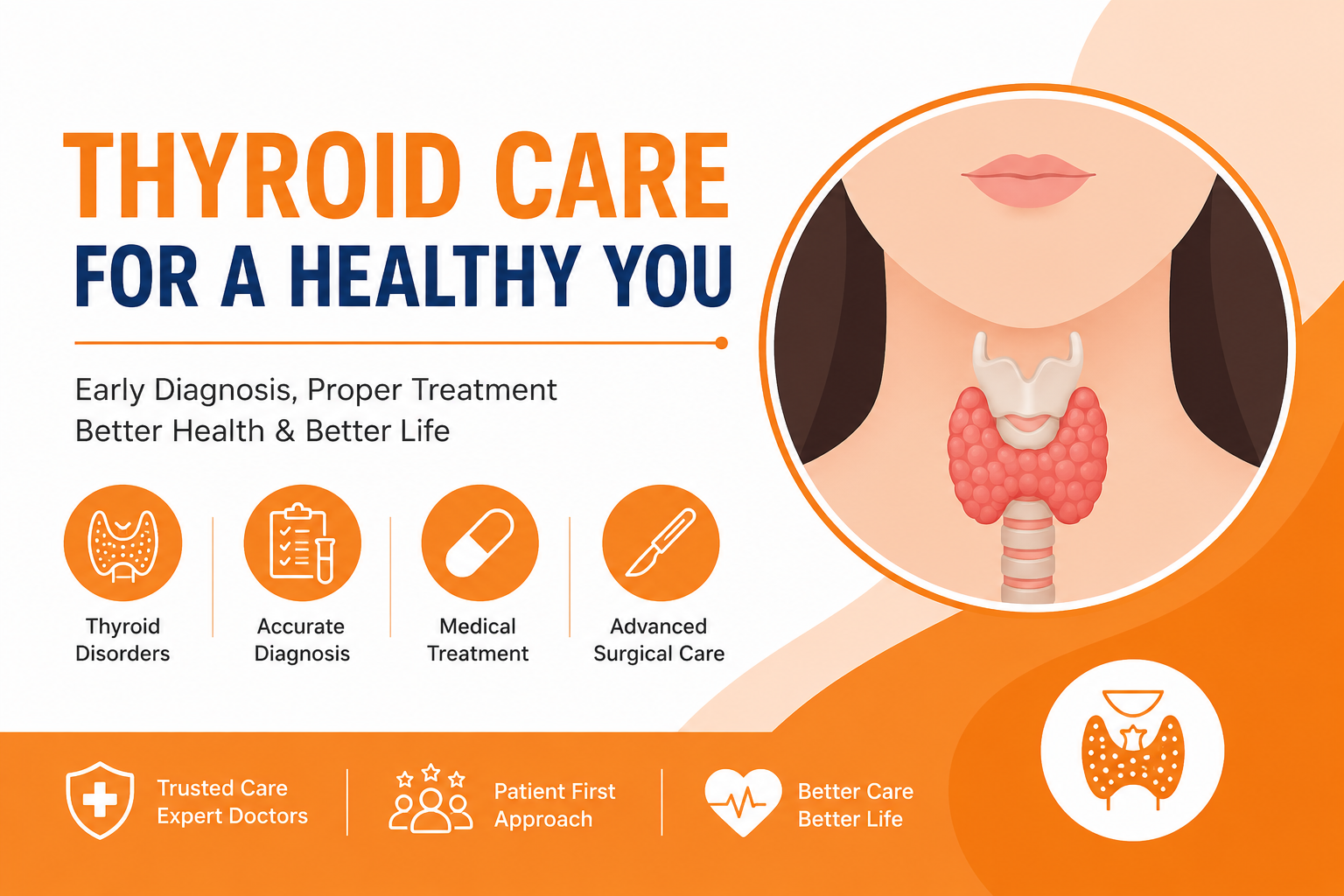
Thyroid problems are becoming increasingly common among people of different age groups. Conditions such as hypothyroidism, hyperthyroidism, thyroid nodules, goitre and thyroid cancer can affect overall health, energy levels, metabolism, heart rate, weight and quality of life. For patients searching for a thyroid hospital in Basti, choosing a healthcare centre with appropriate diagnostic facilities, experienced specialists and a multidisciplinary approach is important.
The thyroid is a small, butterfly-shaped gland located in the front of the neck. Despite its small size, it plays an important role in controlling several functions of the body. Thyroid hormones influence metabolism, body temperature, heart function, digestion, muscle activity and many other processes.
Patients from Basti and nearby districts may seek thyroid evaluation when they experience unexplained weight changes, tiredness, swelling in the neck, changes in heartbeat, excessive sweating, sensitivity to cold, menstrual irregularities or difficulty swallowing. A proper medical evaluation can help identify the underlying cause and determine whether medicines, monitoring or surgery may be required.
For patients looking for advanced ENT and neck-related evaluation in the Purvanchal region, Satkriti Hospital, Varanasi, provides specialised ENT care and evaluation of conditions involving the ear, nose and throat, including problems affecting the neck region.
What Is the Thyroid Gland?
The thyroid is an endocrine gland situated at the front of the neck, just below the voice box. It produces hormones that help regulate the body’s metabolism.
The two major thyroid hormones are:
- Thyroxine (T4)
- Triiodothyronine (T3)
The production of thyroid hormones is regulated by thyroid-stimulating hormone (TSH), which is produced by the pituitary gland.
When the thyroid produces too little hormone, the condition is generally called hypothyroidism. When it produces too much hormone, it is called hyperthyroidism.
Both conditions can produce noticeable symptoms, although some patients may have mild or no symptoms initially.
Common Thyroid Problems
A thyroid hospital or specialist may evaluate several types of thyroid disorders.
1. Hypothyroidism
Hypothyroidism occurs when the thyroid gland does not produce enough thyroid hormones.
Common symptoms may include:
- Tiredness and weakness
- Weight gain
- Feeling unusually cold
- Dry skin
- Hair thinning
- Constipation
- Difficulty concentrating
- Slow heart rate
- Changes in menstrual cycles
- Muscle aches
One of the most common causes of hypothyroidism is autoimmune thyroid disease, although other causes can include thyroid surgery, certain medicines and thyroid inflammation.
Treatment often involves thyroid hormone replacement prescribed according to the patient’s medical condition and laboratory results.
2. Hyperthyroidism
Hyperthyroidism occurs when the thyroid produces excessive amounts of thyroid hormones.
Possible symptoms include:
- Unexplained weight loss
- Increased heartbeat
- Excessive sweating
- Nervousness or anxiety
- Trembling hands
- Heat intolerance
- Difficulty sleeping
- Increased bowel movements
- Muscle weakness
The cause of hyperthyroidism needs to be identified before treatment is selected. Depending on the condition, treatment may include medicines, radioactive iodine or surgery.
3. Goitre
A goitre refers to an enlarged thyroid gland.
A goitre can occur because of different thyroid conditions. It may appear as swelling at the front of the neck. Some goitres are associated with abnormal thyroid hormone levels, while others may occur despite normal thyroid function.
A large goitre can sometimes cause:
- Difficulty swallowing
- Breathing difficulty
- Neck discomfort
- A feeling of pressure
- Visible swelling in the neck
Patients with a noticeable neck swelling should undergo proper medical evaluation rather than assuming that it is a simple thyroid problem.
4. Thyroid Nodules
A thyroid nodule is a lump or abnormal growth within the thyroid gland.
Many thyroid nodules are benign, but some may require further investigation. A doctor may recommend thyroid function tests, ultrasound and, when appropriate, fine-needle aspiration cytology (FNAC).
The decision to perform FNAC depends on factors such as the size and ultrasound characteristics of the nodule.
5. Thyroiditis
Thyroiditis means inflammation of the thyroid gland. Different types of thyroiditis can cause temporary or persistent changes in thyroid hormone levels.
Symptoms vary according to the type and stage of inflammation.
6. Thyroid Cancer
Thyroid cancer develops when abnormal cells in the thyroid grow uncontrollably.
A thyroid lump does not automatically mean cancer. However, certain nodules require careful assessment to rule out malignancy.
Early evaluation of a suspicious thyroid swelling can help doctors determine the appropriate treatment.
Symptoms That Should Not Be Ignored
People often ignore thyroid symptoms because they can resemble common health problems such as stress, fatigue or normal weight changes.
You should consider medical evaluation if you experience persistent:
- Swelling or lump in the neck
- Difficulty swallowing
- Difficulty breathing
- Unexplained weight gain or loss
- Persistent fatigue
- Fast or irregular heartbeat
- Excessive sweating
- Increased sensitivity to cold
- Tremors
- Hair loss
- Changes in menstrual cycles
- Persistent hoarseness
- Unexplained weakness
A neck lump that continues to grow, becomes associated with swallowing or breathing difficulty, or causes persistent voice changes should receive timely medical attention.
Thyroid Diagnosis and Tests
A thyroid hospital or specialist does not diagnose thyroid disease based only on symptoms. A combination of medical history, physical examination and appropriate investigations may be required.
1. Thyroid Function Tests
Blood tests commonly include:
TSH
TSH is one of the most commonly used tests for evaluating thyroid function.
Free T4
Free T4 helps assess the amount of circulating thyroxine available to tissues.
T3
T3 testing may be useful in selected patients, particularly when hyperthyroidism is suspected.
The interpretation of these tests depends on the patient’s symptoms and clinical situation.
2. Thyroid Ultrasound
Ultrasound can provide detailed information about the thyroid gland and identify nodules, cysts, enlargement and other structural abnormalities.
Ultrasound does not by itself determine whether every thyroid nodule is cancerous. Suspicious findings may require additional evaluation.
3. FNAC
Fine-needle aspiration cytology, commonly called FNAC, involves using a thin needle to collect cells from a thyroid nodule for examination.
It can help doctors determine whether a nodule appears benign or suspicious.
Not every thyroid nodule requires FNAC. The decision is generally based on ultrasound findings, size and other clinical factors.
4. Additional Investigations
Depending on the patient’s condition, doctors may recommend additional blood tests, imaging or specialist consultations.
The purpose of these investigations is to understand both the functioning and structure of the thyroid.
Thyroid Treatment
Thyroid treatment depends on the specific diagnosis.
There is no single treatment that is suitable for every thyroid patient.
Treatment for Hypothyroidism
Most patients with established hypothyroidism are treated with thyroid hormone replacement.
The dose is individualised and may need adjustment based on follow-up blood tests, symptoms, age, pregnancy status and other medical factors.
Patients should not change their thyroid medicine dose without consulting their doctor.
Treatment for Hyperthyroidism
Treatment may include:
- Anti-thyroid medicines
- Medicines to control certain symptoms
- Radioactive iodine in appropriate cases
- Surgery in selected patients
The appropriate option depends on the cause and severity of hyperthyroidism and the patient’s overall health.
Treatment of Thyroid Nodules
Many thyroid nodules can simply be monitored.
If a nodule has suspicious characteristics, additional testing such as FNAC may be recommended.
Some nodules may eventually require surgery, particularly when they are suspicious, cancerous, significantly enlarged or causing pressure symptoms.
Thyroid Surgery
Thyroid surgery is known as thyroidectomy. It involves removing part or all of the thyroid gland.
Surgery may be considered for selected patients with:
- Suspicious or confirmed thyroid cancer
- Large goitre
- Compressive symptoms
- Certain toxic thyroid conditions
- Some thyroid nodules
- Other conditions where surgery is medically appropriate
Types of Thyroid Surgery
Depending on the patient’s diagnosis, surgery may involve:
Lobectomy: Removal of one thyroid lobe.
Total thyroidectomy: Removal of the entire thyroid gland.
The type of surgery is determined by the diagnosis, size and characteristics of the thyroid problem and other patient-specific factors.
What Happens After Thyroid Surgery?
Recovery varies from person to person.
After total thyroidectomy, patients generally require lifelong thyroid hormone replacement because the thyroid gland has been removed.
Doctors may monitor thyroid hormone levels and adjust medication during follow-up.
Depending on the type of surgery and individual circumstances, doctors may also monitor calcium levels and other relevant parameters.
Patients should follow postoperative instructions carefully and attend scheduled follow-up appointments.
Why Choose the Right Thyroid Hospital?
Searching online for the “best thyroid hospital in Basti” can produce many results, but patients should look beyond advertisements and rankings when selecting a healthcare provider.
Important factors include:
Experienced Specialists
Thyroid conditions can sometimes involve endocrinology, ENT, head and neck surgery, radiology and pathology. Depending on the case, coordination between appropriate specialists can be valuable.
Diagnostic Facilities
Access to appropriate blood tests, ultrasound and cytology services can make the diagnostic process more systematic.
Surgical Expertise
Patients who require thyroid surgery should be evaluated by an appropriately trained surgeon.
Patient-Centred Care
A good healthcare experience should include clear explanations about diagnosis, treatment alternatives, risks and follow-up.
Post-Treatment Follow-Up
Thyroid management does not necessarily end after diagnosis or surgery. Regular monitoring may be required, particularly for patients taking long-term thyroid medication.
Thyroid Care for Patients from Basti
Basti is an important district in eastern Uttar Pradesh, and patients may travel to larger healthcare centres in the region when they need specialised evaluation or surgery.
Patients from Basti, Khalilabad, Sant Kabir Nagar, Gonda, Ayodhya, Gorakhpur and surrounding areas may consider specialised centres in larger cities when their condition requires advanced evaluation.
For patients considering treatment outside Basti, it is useful to carry previous medical records, blood-test reports, ultrasound reports, FNAC reports, medication lists and previous surgical documents.
This can help the treating specialist understand the patient’s medical history and avoid unnecessary repeat investigations.
Thyroid and ENT Care
The thyroid is located in the neck, an anatomical region closely associated with the airway, food pipe, voice box and surrounding nerves and blood vessels.
Some thyroid patients may therefore experience symptoms involving:
- Voice
- Swallowing
- Breathing
- Neck swelling
- Neck discomfort
Persistent hoarseness or swallowing difficulty in a patient with a thyroid swelling deserves appropriate evaluation.
ENT and head-and-neck specialists can play an important role in evaluating neck masses and related symptoms, while endocrinologists and other specialists may be involved depending on the thyroid disorder.
Thyroid Problems in Women
Thyroid disorders are particularly important to recognise in women because thyroid hormone abnormalities can affect menstrual cycles, fertility and pregnancy.
Symptoms such as unexplained tiredness, weight changes, menstrual irregularities or changes in mood should not automatically be attributed to lifestyle or stress.
Women who are pregnant or planning pregnancy should discuss thyroid abnormalities and medication with their doctor because thyroid hormone requirements can change during pregnancy.
Medication should never be started, stopped or changed without professional medical advice.
Thyroid Problems in Children
Thyroid disorders can also occur in children and adolescents.
Possible signs may include:
- Poor growth
- Changes in weight
- Excessive tiredness
- Difficulty concentrating
- Changes in school performance
- Constipation
- Abnormal heart rate
- Neck swelling
Children with suspected thyroid problems require age-appropriate evaluation by a qualified healthcare professional.
Can Thyroid Disease Be Prevented?
Not every thyroid disorder can be prevented.
However, maintaining a balanced diet, taking prescribed medicines correctly and attending follow-up appointments can help patients manage many thyroid conditions effectively.
Iodine is essential for thyroid hormone production, but taking excessive iodine supplements without medical advice is not recommended.
People should also avoid relying on unproven herbal or dietary remedies as substitutes for medically indicated thyroid treatment.
Common Myths About Thyroid Disease
Myth 1: Every thyroid problem requires surgery
This is incorrect.
Many thyroid disorders are treated with medicines and monitoring. Surgery is recommended only when medically appropriate.
Myth 2: Every thyroid lump is cancer
Not every thyroid nodule is cancerous. However, suspicious nodules need proper evaluation.
Myth 3: Thyroid medicine can be stopped once symptoms improve
Patients should not stop prescribed thyroid medication simply because they feel better. Whether medication can be reduced or stopped depends on the underlying diagnosis and follow-up test results.
Myth 4: Thyroid disease always causes weight gain
Hypothyroidism can contribute to weight gain, but thyroid disease can present in many different ways. Hyperthyroidism may cause weight loss, while some patients may have relatively few noticeable symptoms.
Myth 5: A neck swelling can always be ignored
Any persistent or unexplained neck swelling should be assessed by a qualified healthcare professional.
When Should You Consult a Thyroid Specialist?
You should consider medical evaluation if you have:
- A persistent lump in the neck
- Abnormal thyroid blood-test results
- Difficulty swallowing
- Difficulty breathing
- Persistent hoarseness
- Unexplained weight changes
- Recurrent palpitations
- Persistent fatigue
- Tremors or excessive sweating
- Symptoms of hypothyroidism
- Symptoms of hyperthyroidism
- A previously diagnosed thyroid nodule
Early assessment can help determine whether the problem requires observation, medication, further testing or surgery.
Choosing a Thyroid Hospital Near Basti
When searching for a thyroid hospital in Basti, thyroid treatment in Basti, or a thyroid specialist near Basti, patients should verify the hospital’s actual services and the qualifications of the treating doctor.
The Government of Uttar Pradesh’s Basti district website lists several government and private hospitals in the district.
Online directories also list multiple healthcare providers under thyroid-related services in Basti, but directory listings and ratings should not be treated as a substitute for professional medical evaluation.
For patients who prefer specialised care in Varanasi, Satkriti Hospital offers ENT and related head-and-neck healthcare services. Patients should contact the hospital directly to confirm current thyroid-related consultation, diagnostic and surgical services before travelling.
Why Timely Thyroid Evaluation Matters
Thyroid disorders are often manageable when correctly diagnosed and treated.
Ignoring symptoms for a long period may allow an underlying condition to remain uncontrolled. For example, untreated hypothyroidism can affect energy levels and several body systems, while uncontrolled hyperthyroidism can cause significant cardiovascular and metabolic effects.
Similarly, a persistent neck lump should not be ignored simply because it does not cause pain.
The objective of thyroid evaluation is not only to identify whether thyroid hormone levels are abnormal but also to understand the reason behind the abnormality.
Frequently Asked Questions About Thyroid Treatment
What is the thyroid?
The thyroid is a butterfly-shaped endocrine gland located in the front of the neck. It produces hormones that help regulate metabolism and other important body functions.
What are the most common thyroid disorders?
Common disorders include hypothyroidism, hyperthyroidism, goitre, thyroid nodules, thyroiditis and thyroid cancer.
Is thyroid disease curable?
Some thyroid conditions can be treated effectively, while others require long-term management. The outcome depends on the specific disorder.
Does every thyroid nodule need surgery?
No. Many nodules can be monitored or investigated without surgery. Surgery is considered when there is an appropriate medical indication.
Is thyroid surgery safe?
Thyroid surgery is a commonly performed procedure, but like any operation, it has potential risks. These can include bleeding, infection, voice-related nerve injury and calcium-related complications. Your surgeon should explain the individual risks before surgery.
Will I need medicine after thyroid surgery?
After total thyroidectomy, lifelong thyroid hormone replacement is generally required. After partial thyroid surgery, the need for medication depends on remaining thyroid function and follow-up testing.
Can thyroid disease affect pregnancy?
Yes. Thyroid hormone abnormalities can be important during pregnancy and should be appropriately monitored and treated by a healthcare professional.
Can thyroid problems cause neck swelling?
Yes. Goitre, thyroid nodules and other thyroid conditions can cause swelling in the neck.
Conclusion
Finding the right thyroid hospital in Basti or a specialised thyroid care centre near Basti is an important decision. Thyroid conditions range from common hormone disorders that can be managed with medicines to thyroid nodules and cancers that may require detailed investigation or surgery.
A proper evaluation may include clinical examination, thyroid blood tests, ultrasound and, when indicated, FNAC or other investigations. Treatment is selected according to the patient’s diagnosis rather than symptoms alone.
Patients experiencing persistent neck swelling, difficulty swallowing, breathing difficulty, voice changes, unexplained weight changes, unusual tiredness, palpitations or other thyroid-related symptoms should seek medical advice.
For patients from Basti who are considering specialised care outside the district, Varanasi is an important healthcare destination in the region. Before travelling, patients should confirm the availability of the required thyroid consultation, investigations or surgery with the hospital.
Most importantly, thyroid treatment should always be personalised. Do not self-medicate, change thyroid medicine doses or rely on unproven treatments without consulting a qualified healthcare professional.
Satkriti Hospital, Varanasi, focuses on specialised ENT and head-and-neck care and can be considered by patients seeking evaluation for neck-related conditions. Availability of specific thyroid diagnostic or surgical services should be confirmed directly with the hospital before an appointment.
