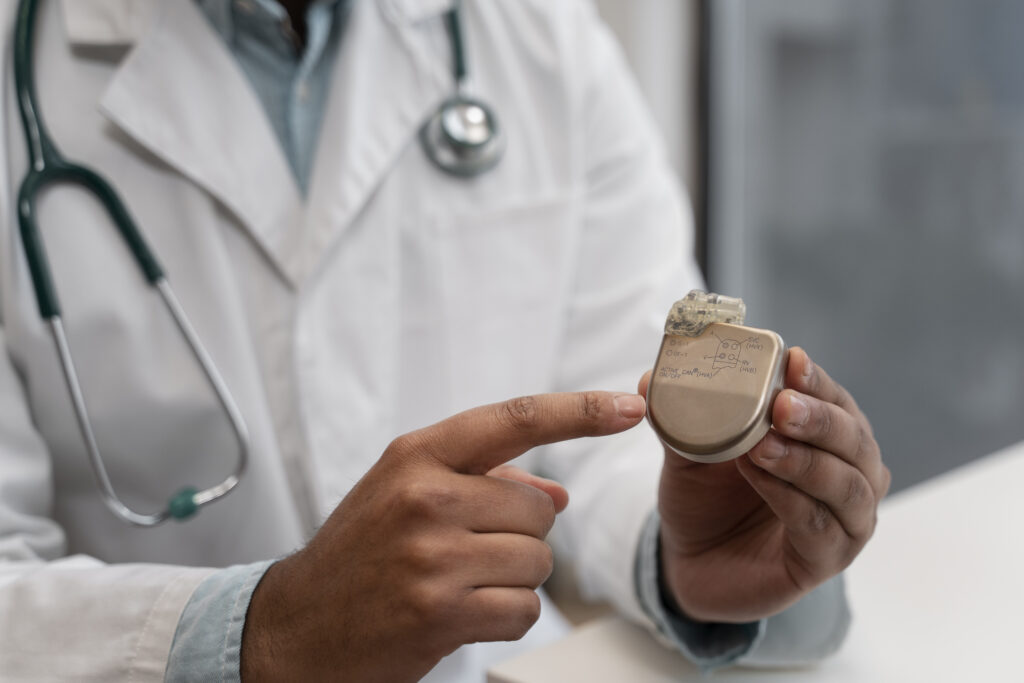
Are you or a loved one exploring options for profound hearing loss and wondering about cochlear implants in Varanasi? Making such a life-changing decision involves carefully weighing both the quality of care and the associated costs. It’s natural to have questions about the financial aspect, especially for a significant medical procedure.
This guide aims to provide you with a clear, transparent overview of what to expect regarding cochlear implant costs and how to find exceptional care right here in Varanasi. We’ll help you understand the components of the cost, explore financial assistance, and guide you in choosing the best path forward for better hearing.
Understanding Cochlear Implants: A Brief Look
A cochlear implant is a small, electronic device that can provide a sense of sound to those who are profoundly deaf or severely hard of hearing. Unlike hearing aids, which simply amplify sound, a cochlear implant bypasses damaged parts of the inner ear and directly stimulates the auditory nerve. This creates sound signals that the brain can interpret.
The implant consists of two main parts: an external sound processor worn behind the ear and an internal receiver-stimulator, surgically placed under the skin. Candidates for this advanced hearing loss treatment include both children and adults who haven’t benefited sufficiently from conventional hearing aids.
Cochlear Implant Cost in Varanasi: A Transparent Breakdown
Understanding the overall Cochlear implant cost Varanasi involves more than just a single price tag. The total expense can vary significantly based on several factors, typically ranging from around ₹4 lakhs to ₹12 lakhs or more. This range depends on the device chosen, the hospital’s facilities, the surgical team’s expertise, and the extent of post-operative care. Let’s break down the key components that contribute to the total cost. Knowing these elements will help you make a more informed decision and avoid any surprises.
The Cochlear Implant Device
The implant device itself is often the largest component of the total cost. Various reputable international brands, such as Med-El, Advanced Bionics, and Cochlear Ltd., offer different models. These devices come with varying features, including water resistance, battery life, and connectivity options, which directly influence their price. Selecting the right device is a collaborative decision between the patient, their family, and the ENT specialist.
Surgical Procedure Fees
This includes the fees for the highly skilled ENT surgeon, the anaesthetist who ensures comfort during the procedure, and the charges for using the operation theatre. The complexity of the surgery, which typically lasts between two to four hours, also plays a role in these fees. Experience and specialization of the surgical team are crucial here.
Hospital Stay and Facility Charges
Post-surgery, a hospital stay is necessary for recovery and observation. The cost covers your room type, nursing care, medications administered during your stay, and other hospital amenities. The duration of stay can vary but is usually a few days.
Pre-operative Investigations and Assessments
Before surgery, a comprehensive evaluation is essential. This includes detailed audiological tests to assess hearing loss, imaging scans like CT or MRI to examine the inner ear structure, and sometimes psychological evaluations. These tests ensure the patient is a suitable candidate and help plan the surgery precisely.
Post-operative Care and Rehabilitation
The journey doesn’t end with surgery. Initial mapping sessions, where the external processor is activated and programmed, are vital. This is followed by ongoing audiological follow-ups and intensive speech and auditory verbal therapy, especially crucial for children. This rehabilitation phase is key to maximizing the benefits of the implant and integrating sound into daily life.
Miscellaneous Costs
Patients also need to consider other potential expenses. These might include additional medications, travel costs, and accommodation if coming from outside Varanasi. It’s always wise to budget for these unforeseen but necessary expenditures.
Navigating Financial Assistance and Government Schemes in Varanasi
The significant investment in a cochlear implant surgery can be a concern for many families. Fortunately, there are several avenues for financial assistance that can make this life changing surgery more accessible in Varanasi and throughout Uttar Pradesh.
The ADIP Scheme for Cochlear Implants (Central Government)
The Assistance to Disabled Persons for Purchase/Fitting of Aids and Appliances (ADIP) Scheme, run by the Ministry of Social Justice and Empowerment, Government of India, is a major support system. It provides financial aid for cochlear implants to eligible individuals. Eligibility typically depends on income, age, and the degree of hearing loss. Up to 100% subsidy may be available for low-income families, making the surgery entirely free for them. Our team can guide you through the step-by-step application process and required documents.
State Government Schemes (Uttar Pradesh)
In addition to central government initiatives, the state government of Uttar Pradesh may offer specific health schemes or financial assistance programs. It is advisable to inquire about any current state-level support that could further reduce your out-of-pocket expenses. Local healthcare providers often have the most up-to-date information on these programs.
Health Insurance Coverage
Many health insurance policies now cover cochlear implant surgery, though the extent of coverage can vary. It’s important to thoroughly review your policy documents, understand common exclusions, and initiate the claim process well in advance. Our hospital staff can assist you with navigating the paperwork and communicating with your insurance provider.
Hospital-Specific Payment Plans and EMIs
Recognizing the financial burden, some hospitals, including Satkriti Hospital, offer flexible payment plans or Equated Monthly Installment (EMI) options. These plans can help spread the cost over a manageable period, easing the immediate financial pressure on families. Discussing these options with the hospital’s finance department is recommended.
NGO Support and Charitable Trusts
Occasionally, local non-governmental organizations (NGOs) or charitable trusts in Varanasi or the broader region may offer partial financial support or connect families with resources. Exploring these community-based initiatives can sometimes provide additional relief.
Choosing Quality: Leading Care for Cochlear Implants in Varanasi
Beyond cost, the quality of care is paramount when it comes to cochlear implant surgery. Selecting the right hospital and surgical team ensures the best possible outcomes for improved hearing. Look for accredited hospitals with dedicated ENT departments and a comprehensive audiology team.
Satkriti Hospital: A Leading Choice in Varanasi
At Satkriti Hospital, we are committed to providing exceptional and patient-centric care for cochlear implants. Our state-of-the-art facilities, combined with a compassionate approach, ensure that every patient receives the highest standard of treatment. Our expert team of ENT specialists, led by Dr. Manoj Kumar Gupta, alongside highly skilled surgeons like Dr. Abhineet Jain and Dr. Ankit Ojha, brings extensive experience in performing successful
cochlear implant surgeries. We believe in transparent communication, guiding families through every step, from initial consultation to post-operative rehabilitation. We actively support patients in accessing government schemes like ADIP to make quality care affordable.
What to Look for in a Hospital
When evaluating other options, consider the hospital’s infrastructure, the experience of its surgical team and audiologists, and their success rates. A strong focus on post-operative support and rehabilitation is vital for long-term benefits. Always prioritize facilities that offer comprehensive follow-up care.
The Cochlear Implant Journey: What to Expect
The path to receiving a cochlear implant is a journey with several distinct stages. It begins with a thorough pre-surgical evaluation to determine candidacy. This comprehensive assessment ensures the procedure is appropriate and beneficial. Following the evaluation, the surgery itself is performed. Patients typically stay in the hospital for a few days for recovery.
The internal device is then activated and mapped in subsequent sessions, marking the exciting moment when sound is first perceived. Intensive rehabilitation and therapy, including speech and auditory verbal therapy, are critical after activation to help the brain interpret the new sounds. This ongoing support is key to maximizing the implant’s benefits and improving communication skills.
Success Stories: Hearing the World Again
The impact of cochlear implants on individuals and families in Varanasi is profound. We have seen numerous success stories where children have developed speech and attended mainstream schools, and adults have reconnected with loved ones and returned to work. These outcomes highlight the life-changing potential of this advanced treatment, restoring the ability to engage with the world of sound.
FAQs
Q: Given the high cost of a cochlear implant, how can families from economically weaker sections in Varanasi realistically afford this surgery for their child? A: For families from economically weaker sections, the ADIP scheme by the central government is a crucial support. It can cover up to 100% of the cost, making the surgery entirely free. Our team at Satkriti Hospital can help you understand the eligibility criteria and guide you through the application process for this scheme.
Q: I’m overwhelmed by the varying cost figures online. What exactly is included in the quoted ‘cochlear implant cost’ at hospitals in Varanasi, and are there hidden charges I should be aware of?
A: At Satkriti Hospital, we provide a transparent, itemized breakdown of the total cost. This typically includes the device, surgeon’s fees, anaesthesia, hospital stay, pre-operative tests, and initial post operative mapping. We aim for full clarity to avoid hidden charges, so you know exactly what is covered from the outset.
Q: My child needs a cochlear implant, but we live in a rural area near Varanasi. How can we ensure comprehensive rehabilitation and follow-up care without constant, expensive travel to the city?
A: We understand the challenges of travel for families. While initial rehabilitation requires in-person sessions, we work with families to create a feasible plan. This might include fewer but more intensive sessions, home-based exercises guided by therapists, and telehealth support where appropriate, minimizing constant travel.
Q: Beyond the initial surgery, what are the ongoing costs associated with owning a cochlear implant in Varanasi, such as battery replacements, repairs, or future upgrades, and how do these impact the long-term financial commitment?
A: Ongoing costs mainly include battery replacements (rechargeable options reduce this), occasional repairs if the external processor is damaged, and potential future upgrades to newer sound processor models. While these are not major expenses annually, it’s good to factor them into the long-term commitment. Many devices come with warranties, and some maintenance can be covered.
Q: As an adult with recent hearing loss due to diabetes, I’m worried about the success rate of a cochlear implant. Are there specific outcomes or support systems in Varanasi for adults, especially those with co morbidities, to ensure the best possible results?
A: Cochlear implants can be highly successful for adults, even with co-morbidities like diabetes. Success rates depend on various factors, including the duration of hearing loss and commitment to rehabilitation. Our team, including Dr. Manoj Kumar Gupta, Dr. Abhineet Jain, and Dr. Ankit Ojha, provides personalized care plans, ensuring tailored post-operative rehabilitation and ongoing support specific to adult needs, optimizing your outcomes.
