


Cochlear Implant at Satkriti Hospital, Varanasi
Helping Children Connect with the World of Sound
ENT consultation, hearing assessment and Cochlear Implant candidacy evaluation for children – with doctors, audiologists and speech therapists supporting families through assessment, surgery and rehabilitation.
About Satkriti Hospital
Located in Sankat Mochan, Lanka, Varanasi, Satkriti Hospital provides care for ear, nose and throat conditions. Founded in 2012 by Dr. Manoj Kumar Gupta, the hospital is committed to compassionate care and treatment tailored to each patient's needs.
For children with hearing difficulties, Satkriti Hospital offers ENT consultation, hearing assessments and evaluation for Cochlear Implant candidacy. Doctors, audiologists and speech therapists work together to support families through assessment, surgery and rehabilitation.
Our aim is to help parents understand their child's hearing condition, explore suitable treatment options and make informed decisions about care.

Meet Our Cochlear Implant Surgeon
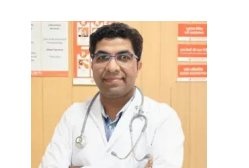
Dr. Abhineet Jain
ENT & Cochlear Implant Surgeon
Dr. Abhineet Jain is part of the ENT and Cochlear Implant team at Satkriti Hospital. His role includes evaluating children, planning surgical treatment, providing surgical care and supporting postoperative follow-up.
Every child's hearing needs are different. Treatment planning considers hearing test results, medical findings and the child's individual needs. Parents are also guided on device activation, programming and the importance of regular hearing and speech rehabilitation.
Cochlear Implant Surgeries for 10 Children
Satkriti Hospital has performed Cochlear Implant surgery for the following 10 children. Each child's treatment journey reflects our commitment to individual care and family support.
Surgery is one step in the journey. Regular follow-up, device programming, rehabilitation and family involvement play important roles in helping children develop listening and communication skills.
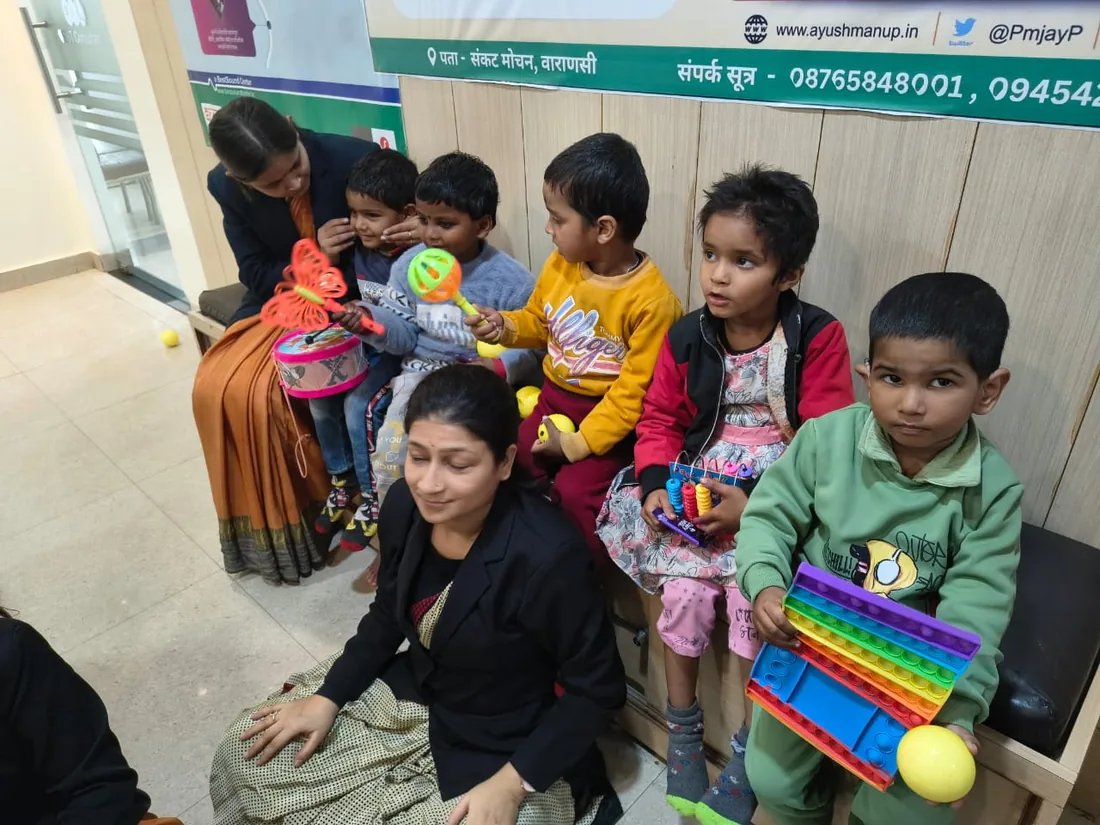
Our Cochlear Implant Children's Gallery
Tap any photo to view it larger.
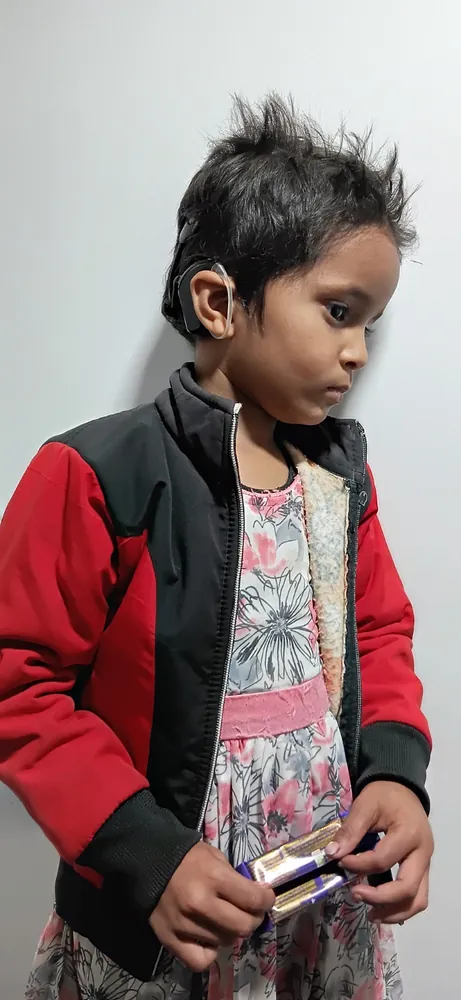
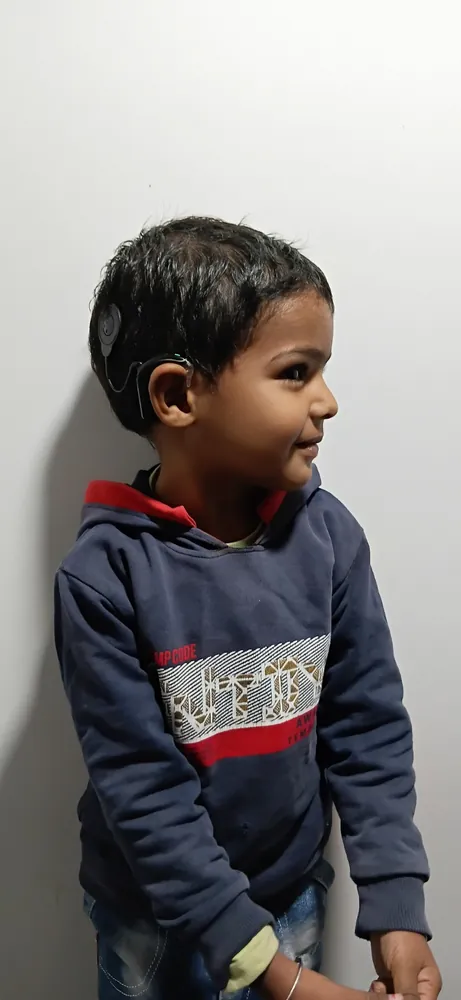
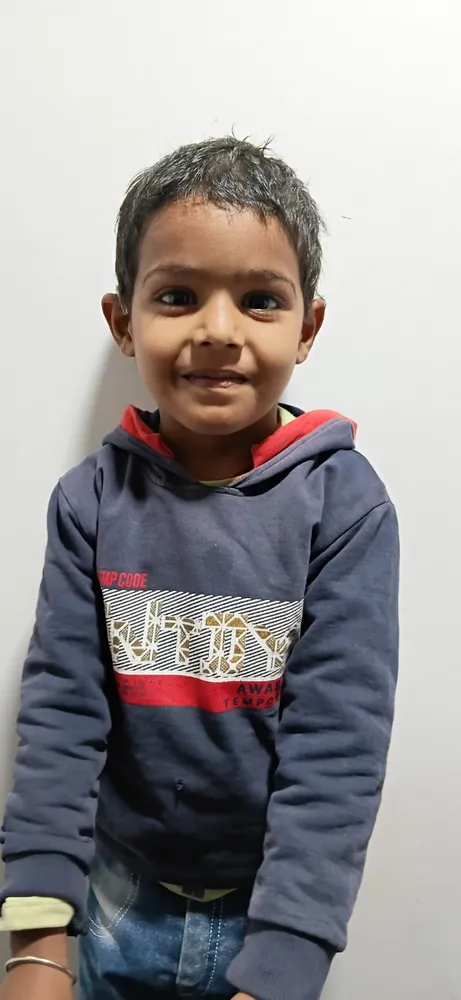
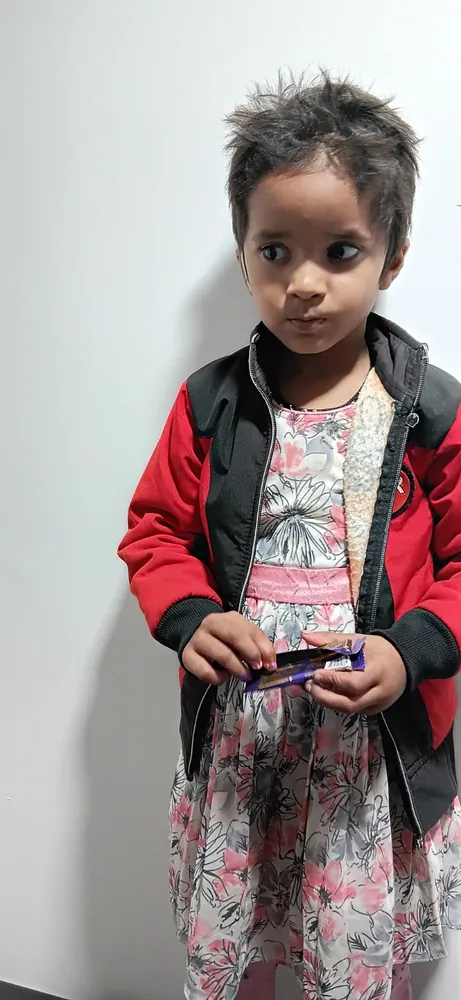
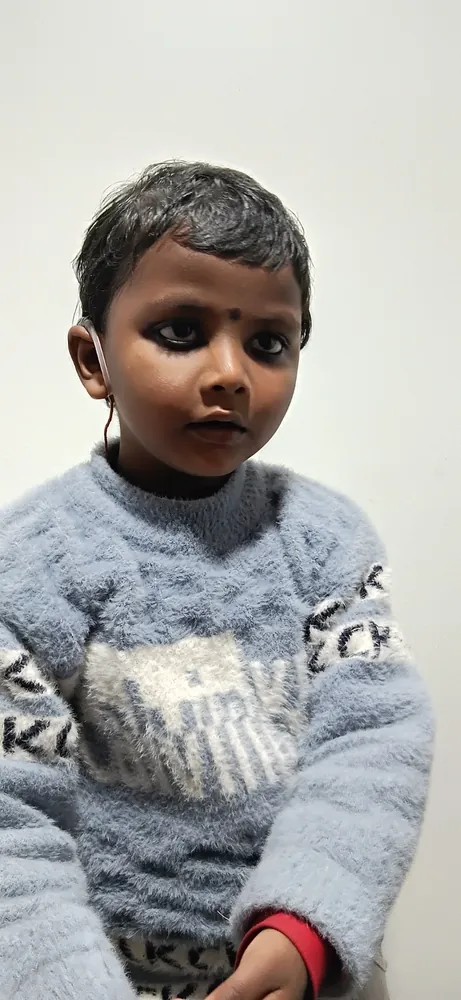
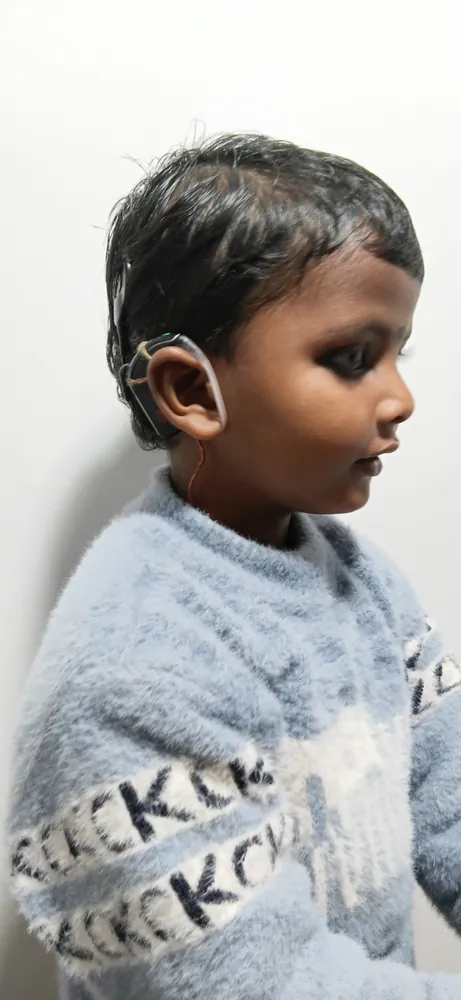

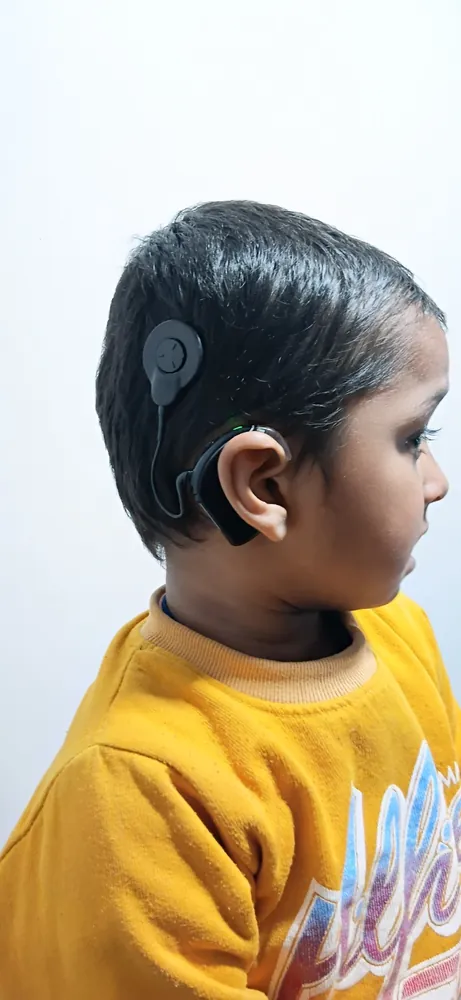
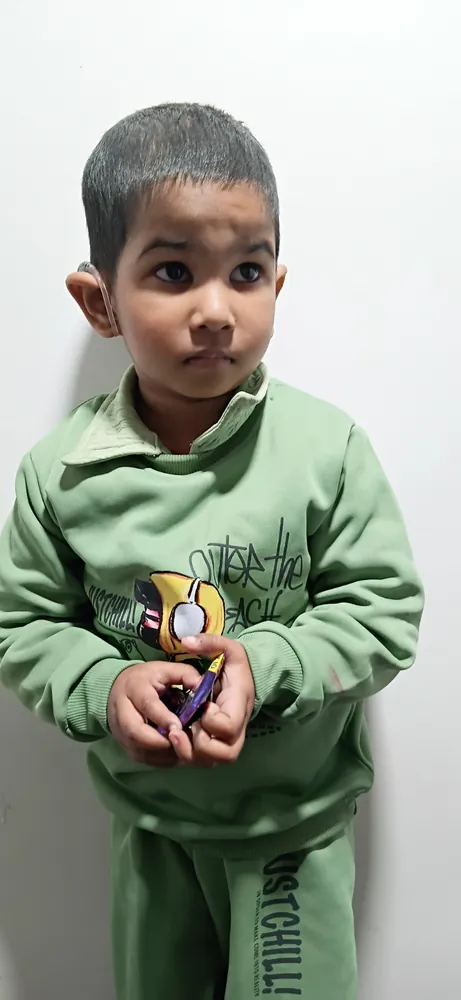
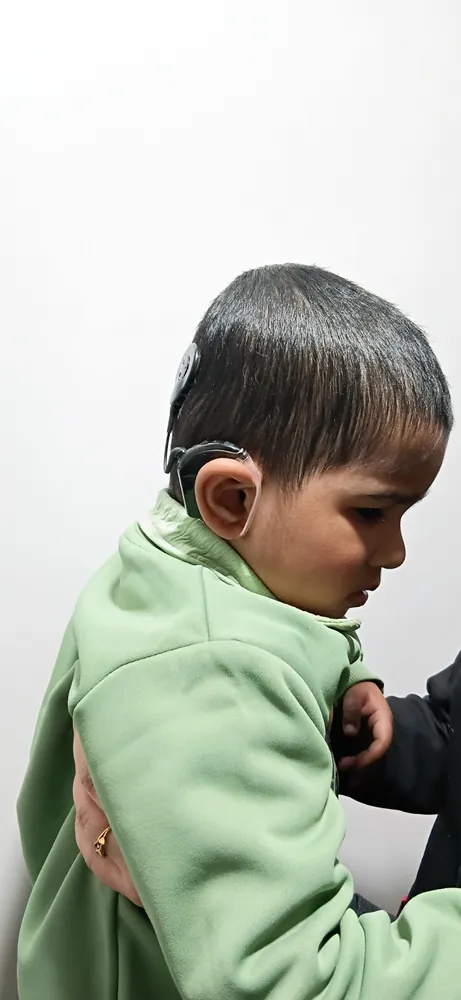
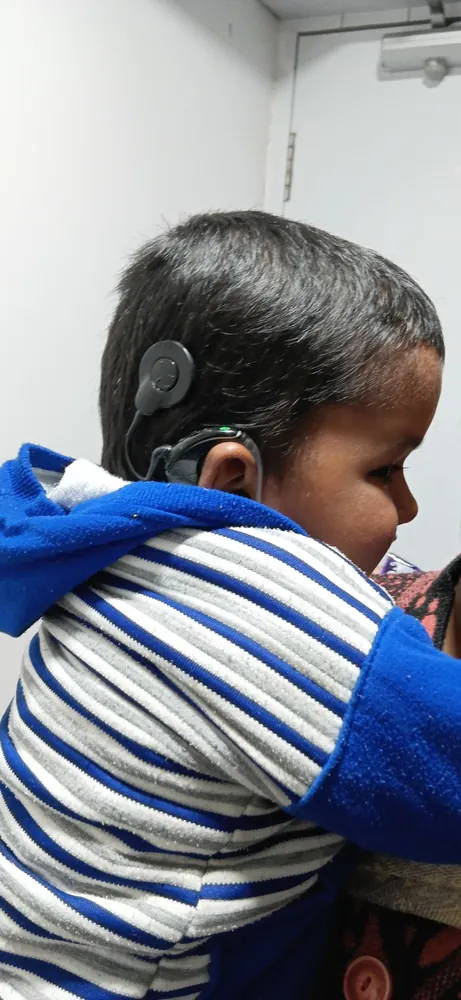
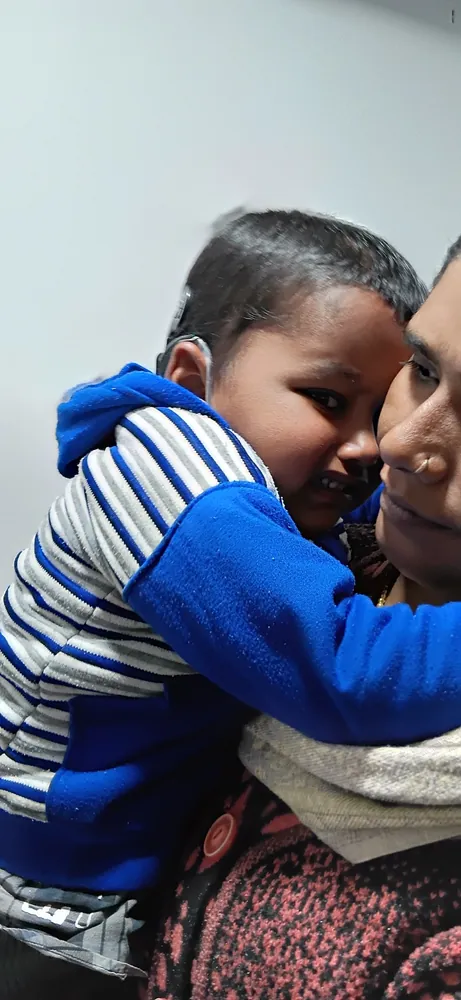
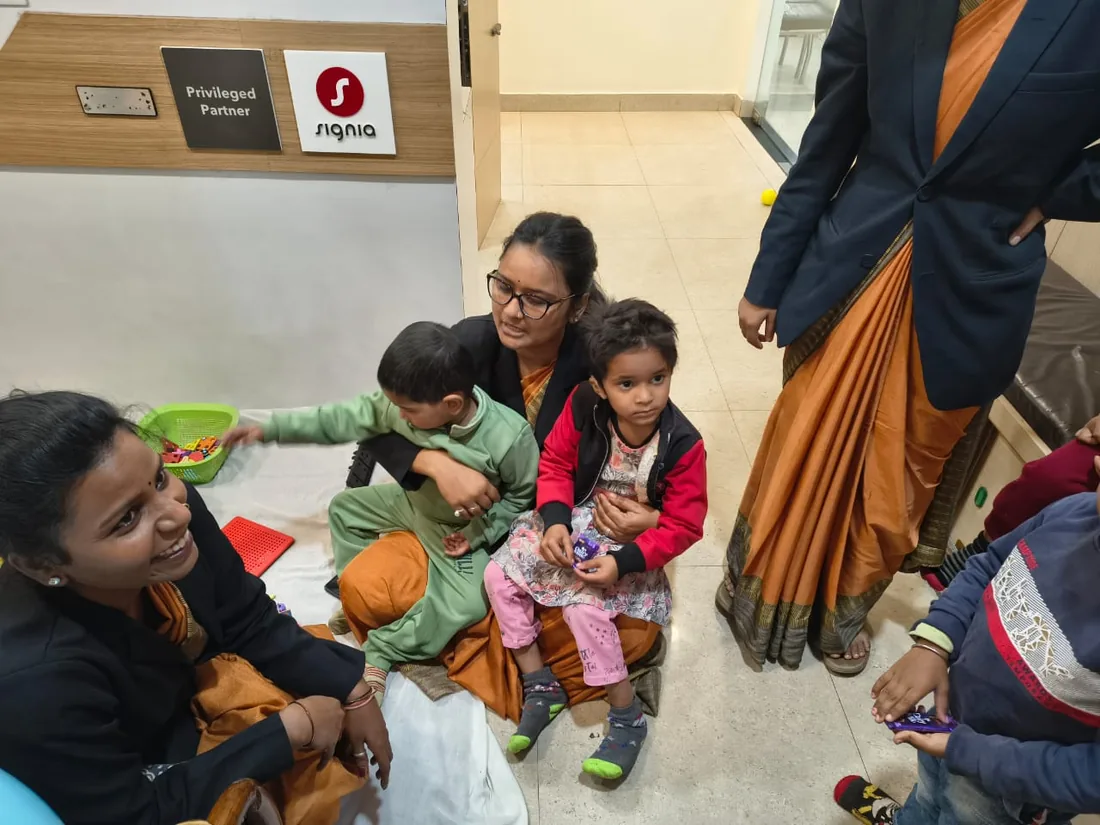
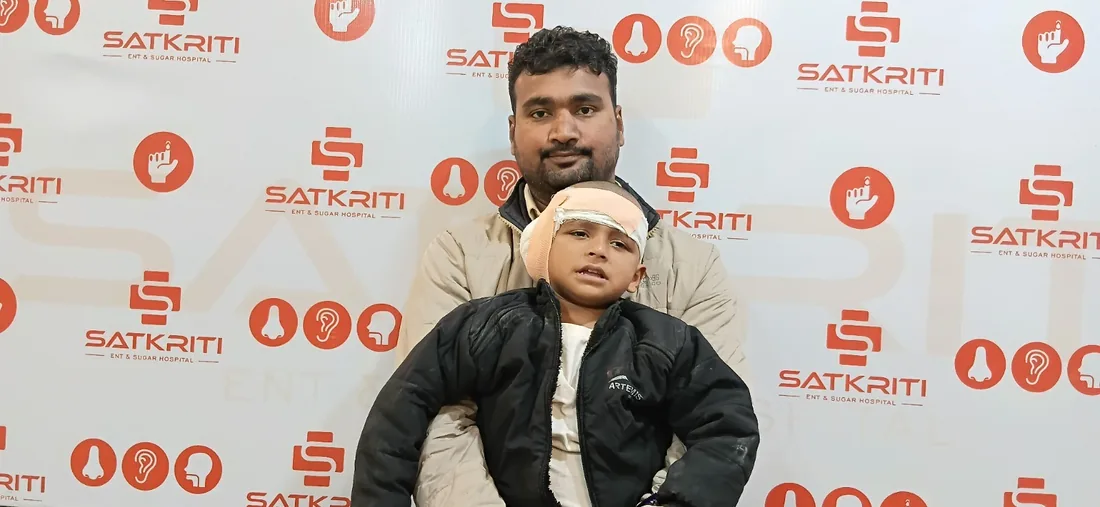
Each child underwent Cochlear Implant surgery at Satkriti Hospital. Listening and speech development vary from child to child; individual outcomes depend on several factors, including assessment findings and ongoing rehabilitation.
Frequently Asked Questions
A Cochlear Implant is an electronic device that stimulates the hearing nerve to help a person perceive sound. It includes internal and external components.
Children with severe hearing loss who receive limited benefit from hearing aids may be candidates. A specialist assessment determines suitability.
Hearing aids amplify sound. Cochlear Implants bypass damaged structures in the inner ear and stimulate the hearing nerve.
Early identification and appropriate intervention can support children's language development.
Activation takes place according to the clinical team's plan. Learning to interpret sounds requires training.
Yes. Regular programming, also called mapping, and listening and speech rehabilitation are important parts of care.
It does not restore natural hearing. Benefits and progress vary.
Costs depend on the device, investigations, surgery and rehabilitation. Request an individual estimate.
Ask the hospital about available assistance, eligibility and documentation.
Bring previous hearing tests, medical records and hearing aid details, if available.
Take the First Step Towards Hearing Care
Does your child have difficulty responding to sounds or show delayed speech development? A hearing assessment can help identify the cause and guide the next steps.