
ENT Hospital in Patna
November 2, 2026
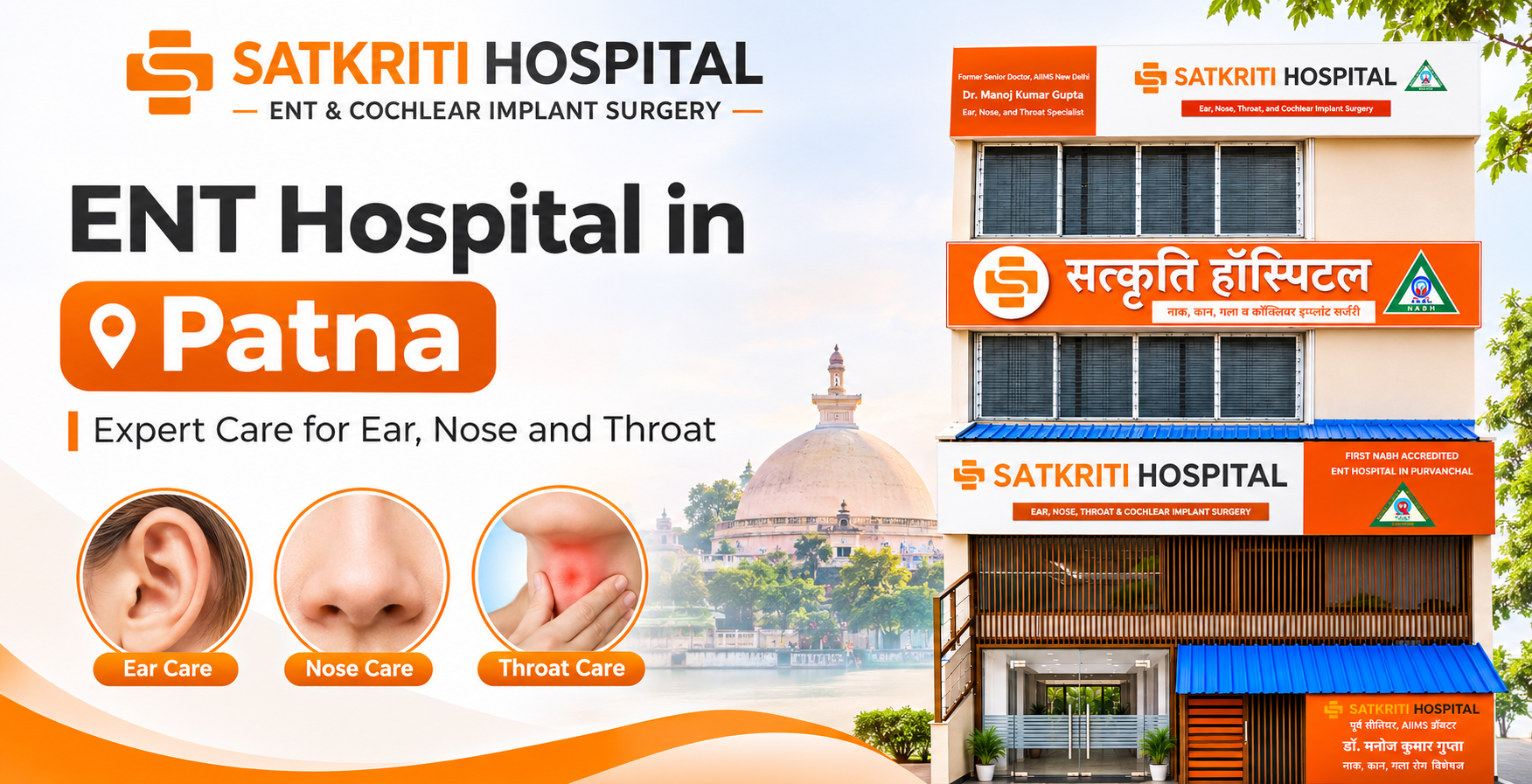
Ear, nose and throat (ENT) problems can affect people of every age group, from newborn babies and young children to adults and senior citizens. Common problems such as ear pain, hearing loss, sinus infections, nasal blockage, tonsillitis, throat infections, dizziness and voice disorders can affect everyday activities and overall quality of life. Finding the right ENT hospital in Patna is therefore important for accurate diagnosis, appropriate treatment and long-term relief.
Patna is an important healthcare destination in Bihar, and patients have access to ENT consultation, diagnostic facilities, hearing assessment and specialised surgical care. However, choosing an ENT hospital should not depend only on distance or consultation fees. Patients should also consider the experience of ENT specialists, diagnostic facilities, available treatments, surgical expertise, rehabilitation support and follow-up care.
For patients from Patna and other parts of Bihar who are exploring specialised ENT treatment options, Satkriti Hospital, Varanasi, is another healthcare destination worth considering. Established in 2012 by Dr. Manoj Kumar Gupta, Satkriti Hospital focuses on advanced ear, nose, throat and cochlear implant care.
This guide explains common ENT problems, available treatments, diagnostic procedures, cochlear implants, paediatric ENT care and important factors to consider when choosing an ENT hospital.
What Is an ENT Hospital?
An ENT hospital is a specialised healthcare facility that diagnoses and treats medical conditions related to three important parts of the body:
- Ear: Hearing, balance and ear-related disorders.
- Nose: Nasal infections, allergies, breathing difficulties and sinus problems.
- Throat: Tonsils, voice disorders, swallowing difficulties and throat infections.
ENT specialists are also known as otolaryngologists. They diagnose conditions affecting the ear, nose, throat, head and neck. Depending on the patient's condition, treatment may involve medication, diagnostic tests, minor procedures, advanced surgery or rehabilitation.
A specialised ENT department may also provide audiology services, hearing aid guidance, speech therapy and cochlear implant assessment.
Common ENT Problems That Require Medical Attention
Many people ignore early symptoms of ENT problems, assuming they will disappear without treatment. However, persistent or recurring symptoms should be evaluated by a qualified ENT specialist.
1. Ear Pain and Ear Infections
Ear pain can occur because of infections, inflammation, earwax blockage, injury or problems involving the middle ear.
Common symptoms include:
- Pain inside or around the ear.
- Ear discharge or fluid coming out of the ear.
- Itching or irritation.
- A feeling of fullness or blockage.
- Temporary hearing difficulties.
- Fever associated with an ear infection.
An ENT doctor examines the ear to identify the underlying cause and recommends suitable treatment. Avoid putting oil, unprescribed drops or other substances inside the ear.
2. Hearing Loss and Hearing Difficulties
Hearing loss can develop gradually or suddenly. It may affect one ear or both ears and can occur at any age.
Common warning signs include:
- Frequently asking people to repeat themselves.
- Increasing the television or mobile volume.
- Difficulty understanding conversations in crowded places.
- Not responding when someone calls.
- Difficulty hearing telephone conversations.
- Children showing delayed speech or language development.
Hearing loss may be caused by ear infections, damaged eardrums, age-related changes, noise exposure or inner-ear conditions.
An ENT specialist may recommend Pure Tone Audiometry (PTA), BERA/ABR, OAE or other hearing assessments depending on the patient's age and symptoms.
Early diagnosis is especially important for children because hearing plays an essential role in speech and language development.
3. Sinusitis and Nasal Problems
Sinusitis occurs when the tissues lining the sinuses become inflamed. It can develop following an infection, allergy or other nasal condition.
Common symptoms include:
- Persistent nasal blockage.
- Headache or facial pressure.
- Thick nasal discharge.
- Reduced sense of smell.
- Difficulty breathing through the nose.
- Repeated sneezing or nasal irritation.
Some patients may experience chronic sinusitis, nasal polyps or a deviated nasal septum. Depending on the diagnosis, treatment may include medication, nasal care or endoscopic sinus surgery.
4. Tonsils and Throat Infections
Tonsils are tissues located at the back of the throat. They help the body respond to infections, but sometimes they become infected or enlarged.
Symptoms may include:
- Repeated sore throat.
- Difficulty swallowing.
- Fever.
- Enlarged tonsils.
- Bad breath.
- Snoring or disturbed sleep.
An ENT specialist evaluates the frequency and severity of infections before recommending medication or surgery such as tonsillectomy.
5. Vertigo and Balance Disorders
Vertigo is a sensation that you or your surroundings are spinning. It can be associated with problems in the inner ear, which plays an important role in maintaining balance.
Common symptoms include:
- A spinning sensation.
- Dizziness while changing head position.
- Nausea or vomiting.
- Difficulty maintaining balance.
- Unsteadiness while walking.
Vertigo can have several causes. A proper ENT evaluation helps identify whether the symptoms are related to the inner ear or another medical condition.
6. Voice and Swallowing Problems
Persistent hoarseness, changes in voice, difficulty swallowing and throat discomfort may indicate an underlying ENT condition.
People who use their voice professionally, including teachers, singers and public speakers, should not ignore persistent voice changes.
An ENT specialist may recommend throat examination, laryngoscopy or other investigations depending on the symptoms.
ENT Treatments and Services Available at Satkriti Hospital
Satkriti Hospital, located in Sankat Mochan, Lanka, Varanasi, provides specialised ENT consultation, diagnosis and treatment.
The hospital was established in 2012 by Dr. Manoj Kumar Gupta with a focus on specialised ENT healthcare in Varanasi and the Purvanchal region.
Its services cover several important ENT specialities.
Ear Treatment
Ear-related services include evaluation and management of:
- Ear infections.
- Ear pain and discharge.
- Eardrum perforation.
- Hearing difficulties.
- Earwax-related blockage.
- Middle-ear disorders.
- Other hearing-related conditions.
Treatment is recommended according to the patient's diagnosis and clinical requirements.
Nose and Sinus Treatment
Nasal and sinus-related conditions that require ENT evaluation include:
- Chronic sinusitis.
- Allergic rhinitis.
- Nasal polyps.
- Deviated nasal septum.
- Nasal blockage.
- Recurrent nasal infections.
- Breathing difficulties.
Diagnostic nasal endoscopy may help doctors examine the nasal passages and identify abnormalities.
Throat and Voice Treatment
Throat-related ENT services include evaluation of:
- Tonsillitis.
- Recurrent throat infections.
- Voice disorders.
- Vocal cord problems.
- Swallowing difficulties.
- Persistent throat irritation.
Depending on the condition, treatment may involve medication, diagnostic examination or surgery.
Vertigo Management
Satkriti Hospital also provides ENT consultation for patients experiencing dizziness, vertigo and balance-related problems.
The treatment approach depends on identifying the underlying cause. Some conditions may improve with medication or specific balance exercises, while others require further investigation.
Allergy Clinic
Allergies can cause repeated sneezing, nasal congestion, itching and breathing discomfort. An ENT evaluation can help identify possible triggers and develop an appropriate treatment plan.
Advanced Hearing Tests and Audiology Services
Hearing assessment is an essential part of ENT care. Different tests are used to understand the type and severity of hearing loss.
Some important hearing tests include:
1. Pure Tone Audiometry (PTA)
PTA measures the softest sounds a person can hear at different frequencies. It helps determine the degree and pattern of hearing loss.
2. BERA/ABR Test
Brainstem Evoked Response Audiometry evaluates the auditory pathway by measuring electrical responses to sound. It is particularly useful when assessing hearing in infants, young children and patients who cannot reliably complete conventional hearing tests.
3. OAE Test
Otoacoustic Emissions testing helps assess the functioning of the inner ear, particularly the cochlea. It is commonly used for newborn hearing screening.
4. Impedance Audiometry
This test evaluates middle-ear function and eardrum movement. It can help identify fluid behind the eardrum and certain middle-ear problems.
The ENT specialist or audiologist decides which tests are appropriate for each patient.
Cochlear Implant Surgery: Advanced Treatment for Severe Hearing Loss
One of the important developments in modern hearing healthcare is cochlear implant technology.
A cochlear implant is an electronic medical device that can help certain individuals with severe to profound sensorineural hearing loss who receive limited benefit from appropriately fitted hearing aids.
Unlike conventional hearing aids, which amplify sound, a cochlear implant bypasses damaged parts of the inner ear and electrically stimulates the auditory nerve.
Who May Need a Cochlear Implant?
Cochlear implant evaluation may be recommended for:
- Children with severe to profound hearing loss.
- Children who do not develop adequate hearing and speech progress with hearing aids.
- Adults with severe hearing loss who receive limited benefit from hearing aids.
- Individuals who meet the medical and audiological criteria for implantation.
The decision is made after detailed hearing tests, medical examination and specialist assessment.
Cochlear Implant Process
The cochlear implant journey generally involves several stages:
- Initial Assessment: The ENT specialist evaluates the patient's hearing history and medical condition.
- Hearing Tests: Audiological tests determine the type and degree of hearing loss.
- Medical Evaluation: The doctor assesses whether the patient is suitable for implantation.
- Surgery: The implant is placed through a surgical procedure under appropriate anaesthesia.
- Device Activation: The external speech processor is activated after the recommended healing period.
- Mapping: The audiologist adjusts the device according to the patient's hearing responses.
- Auditory Verbal Therapy: Children and other suitable patients may require structured listening and speech-language rehabilitation.
Can a Child Speak After Cochlear Implant Surgery?
Cochlear implantation can provide access to sound, but it does not automatically guarantee speech development.
The outcome depends on several factors, including:
- Age at diagnosis and implantation.
- Duration and severity of hearing loss.
- Auditory nerve condition.
- Consistent use of the speech processor.
- Regular mapping sessions.
- Family involvement and speech therapy.
Early identification and appropriate rehabilitation are particularly important for children.
ADIP Cochlear Implant Scheme
The Government of India's ADIP scheme supports eligible persons with disabilities through assistance for specified aids and appliances, including cochlear implants under applicable programme guidelines.
Satkriti Hospital has an authorised ADIP cochlear implant centre. Eligibility, age criteria, financial assistance and documentation should be confirmed with the hospital before beginning the process.
Hearing Aids: When Should You Consider Them?
Hearing aids are electronic devices that amplify sound and help people with hearing difficulties communicate more effectively.
They may be recommended for:
- Senior citizens experiencing age-related hearing loss.
- Adults with mild to severe hearing impairment.
- Children with hearing difficulties when clinically suitable.
- People who struggle to understand conversations.
- Patients who receive benefit from amplification following hearing assessment.
A hearing aid should always be selected according to an audiological evaluation and professional guidance.
Wearing a properly fitted hearing aid does not normally damage the ear. However, an incorrectly fitted device or excessive volume may cause discomfort or potentially harm hearing.
Regular follow-up and appropriate device settings are important.
Paediatric ENT Care for Children
Children can experience ENT problems that may affect hearing, speech, sleep, breathing and development.
Some common paediatric ENT conditions include:
- Recurrent ear infections.
- Enlarged tonsils and adenoids.
- Hearing impairment.
- Delayed speech development associated with hearing problems.
- Recurrent nasal blockage.
- Ear discharge.
- Difficulty breathing during sleep.
Parents should pay attention if a child does not respond to sounds, frequently increases television volume or shows delayed speech development.
Newborn hearing screening and early hearing assessment can help identify problems at an early stage.
Why Choose a Specialised ENT Hospital?
When looking for an ENT hospital in Patna or another nearby healthcare destination, patients should evaluate the following factors:
Experienced ENT Specialists: Look for qualified doctors with relevant experience in diagnosing and treating ear, nose and throat disorders.
Diagnostic Facilities: Hearing tests, audiology, endoscopy and other appropriate investigations can support accurate diagnosis.
Surgical Expertise: Patients requiring surgery should enquire about the surgeon's experience and the procedures available.
Cochlear Implant Services: Families dealing with severe hearing loss should look for a centre offering comprehensive assessment, implantation and post-surgery rehabilitation.
Patient Support: Clear communication, treatment explanations and follow-up care are important parts of the treatment journey.
Accreditation and Government Schemes: Check the hospital's current accreditation status and whether the required treatment is covered under applicable government health schemes.
About Satkriti Hospital, Varanasi
Established in 2012, Satkriti Hospital is a specialised ENT and cochlear implant healthcare facility located at Sankat Mochan, Lanka, Varanasi, Uttar Pradesh.
Founded by Dr. Manoj Kumar Gupta, the hospital focuses on ear, nose, throat, hearing and related healthcare services.
Its key services include:
- Comprehensive ENT consultation.
- Ear infection and hearing loss treatment.
- Nose and sinus care.
- Throat and voice disorder management.
- Vertigo and balance assessment.
- Audiology and hearing tests.
- Hearing aid guidance.
- Cochlear implant assessment and surgery.
- Paediatric ENT services.
- Head and neck-related ENT care.
Meet the ENT Specialists
Satkriti Hospital has a team of ENT consultants and specialists.
Dr. Manoj Kumar Gupta
MBBS, MS (ENT)
Founder Director and Chief ENT Consultant. Formerly associated with AIIMS, New Delhi, Dr. Gupta has over 25 years of experience in ENT care.
Dr. Abhineet Jain
MBBS, DLO (Gold Medalist), DNB
ENT specialist with additional fellowship training in rhinoplasty from South Korea and experience in ENT and head and neck care.
Dr. Priya Sigar
MS (ENT)
ENT Consultant with expertise in vertigo management and comprehensive ENT care.
Dr. Ankit Ojha
MBBS, MS (ENT), DNB
ENT Consultant and Surgeon.
Patients should confirm the availability of their preferred specialist before travelling.
Ayushman Bharat and Healthcare Support
Healthcare expenses can be a concern for families requiring surgery or long-term treatment.
Satkriti Hospital is empanelled under Ayushman Bharat PM-JAY for eligible treatment packages. Eligible beneficiaries may receive cashless treatment for covered procedures, subject to scheme rules, package availability, pre-authorisation and hospital eligibility.
Patients should carry their Ayushman card and relevant medical documents and confirm whether their specific ENT procedure is covered before admission.
Travelling from Patna to Satkriti Hospital, Varanasi
Patients from Patna who are considering specialised ENT consultation or cochlear implant evaluation at Satkriti Hospital can plan a visit to Varanasi.
Before travelling, it is advisable to:
- Contact the hospital to discuss your symptoms.
- Confirm the availability of the required ENT specialist.
- Ask which diagnostic reports should be carried.
- Bring previous prescriptions and hearing test reports.
- Confirm the consultation schedule and expected charges.
- Discuss the number of visits that may be required.
For cochlear implant patients, remember that evaluation, surgery, activation, mapping and rehabilitation may require multiple visits.
Hospital Contact Details
Satkriti Hospital – ENT & Cochlear Implant Hospital
Address: Sankat Mochan, Lanka, Varanasi, Uttar Pradesh – 221005
Phone: +91 87658 48001
Website: https://satkritihospital.com/
Email: care.satkriti@gmail.com
Consultation hours: Please confirm the current OPD schedule by phone before visiting.
Frequently Asked Questions (FAQs)
1. Which is the best ENT hospital in Patna?
The right ENT hospital depends on the patient's condition, required treatment, specialist experience, diagnostic facilities and available services. Patients should compare hospitals and verify their current facilities before making a decision. Satkriti Hospital in Varanasi is another specialised ENT care option for patients from Bihar.
2. What diseases are treated by an ENT specialist?
ENT specialists diagnose and treat ear infections, hearing loss, sinusitis, nasal polyps, tonsillitis, throat infections, voice disorders, vertigo, eardrum problems and several head and neck conditions.
3. When should I visit an ENT doctor?
You should consult an ENT specialist if you experience persistent ear pain, hearing difficulties, recurrent throat infections, nasal blockage, repeated sinus problems, dizziness, ear discharge or changes in your voice.
4. Is hearing loss curable?
Some types of hearing loss are treatable, depending on the underlying cause. For example, hearing difficulties caused by earwax or certain infections may improve with appropriate treatment. Permanent sensorineural hearing loss may require hearing aids or cochlear implants in suitable cases.
5. What is the difference between a hearing aid and a cochlear implant?
A hearing aid amplifies sound, whereas a cochlear implant converts sound into electrical signals that stimulate the auditory nerve. A cochlear implant may be recommended for eligible patients who receive limited benefit from hearing aids.
6. At what age can a child receive a cochlear implant?
Cochlear implantation may be considered in early childhood, including during infancy in appropriately selected cases. The exact age and suitability depend on medical assessment, hearing results, applicable programme criteria and specialist recommendations.
7. Does cochlear implant surgery help children speak?
A cochlear implant can provide access to sound and support speech and language development. However, speech development depends on early intervention, consistent device use, regular mapping and appropriate auditory and speech-language therapy.
8. Which hearing tests are recommended for children?
Depending on the child's age and clinical condition, tests may include OAE, BERA/ABR, behavioural audiometry and other specialised hearing assessments.
9. Can vertigo be treated by an ENT specialist?
Yes. Several types of vertigo are associated with inner-ear and balance disorders. An ENT specialist can evaluate the symptoms, identify possible causes and recommend suitable treatment.
10. Is sinus surgery always necessary for sinusitis?
No. Many cases of sinusitis can be managed with medication and appropriate medical care. Surgery may be considered when symptoms persist despite suitable medical treatment or when specific anatomical problems are identified.
11. Does Satkriti Hospital provide cochlear implant services?
Yes. Satkriti Hospital in Varanasi provides cochlear implant-related assessment and surgical services, along with audiology and hearing rehabilitation support.
12. Is Satkriti Hospital located in Patna?
No. Satkriti Hospital is located at Sankat Mochan, Lanka, Varanasi, Uttar Pradesh. Patients from Patna and other parts of Bihar can contact the hospital to enquire about consultation and treatment arrangements.
13. Does Satkriti Hospital accept Ayushman Bharat cards?
Satkriti Hospital is empanelled under Ayushman Bharat PM-JAY. Treatment eligibility depends on the applicable package, patient eligibility and scheme approval. Contact the hospital to verify coverage for your specific treatment.
14. What documents should I carry for an ENT consultation?
Carry previous prescriptions, hearing test reports, medical investigations, current medication details, identity documents and your Ayushman card if applicable.
15. How can I book an appointment at Satkriti Hospital?
You can contact Satkriti Hospital at +91 87658 48001 or visit https://satkritihospital.com/ to enquire about appointments, doctor availability and treatment services.
Conclusion
Finding the right ENT hospital in Patna is an important step towards managing ear, nose and throat problems effectively. Whether you are dealing with hearing loss, ear infections, sinusitis, tonsil problems, vertigo or a child's hearing and speech difficulties, timely diagnosis and appropriate treatment can make a significant difference.
Patients should choose their healthcare provider based on medical expertise, diagnostic facilities, treatment options and long-term support rather than relying only on promotional claims.
For patients from Patna and Bihar seeking specialised ENT care beyond their city, Satkriti Hospital, Varanasi, offers ENT consultation, audiology, hearing aid guidance, cochlear implant services and comprehensive ear, nose and throat care.
Take the first step towards better hearing and healthier living. Contact Satkriti Hospital to discuss your ENT concerns and explore suitable treatment options.
Call: +91 87658 48001
Visit: https://satkritihospital.com/
Medical disclaimer: This article is intended for general health information and awareness. It is not a substitute for medical consultation, diagnosis or treatment. Treatment decisions should be made by a qualified medical professional after evaluating the patient.
- Previous: गले में खराश और टॉन्सिल: बच्चों में टॉन्सिल सर्जरी कब जरूरी है? (Satkriti Hospital, Varanasi)
- Satkriti Hospital Opens Doors for Free ENT & Sugar Screening on Deaf Awareness Week 2026
- बच्चों और बड़ों की सुनने की समस्या के लिए वाराणसी में निःशुल्क ENT एवं कॉक्लियर इंप्लांट कैंप
- World Hearing Day 2026: Why Hearing Care Matters More Than We Think
By Satkriti Hospital
Comment
Your email address will not be published. Required fields are marked *